01 · Mechanism
MUSE biology, decoded
Why MUSE cells differ from MSCs and iPSCs, the homing mechanism, low-tumorigenicity profile and the regulatory framework you operate under.
Multilineage-differentiating Stress-Enduring cells — pluripotent, "shape-shifter" cells that home autonomously to injury and differentiate into the tissue that needs repair. One full clinical day on patient workup, dosing schedules and safety monitoring with the faculty pioneering MUSE in clinical practice.
A full clinical day at Cellgenic Lab with Brandon Sassouni and Prof. Dr. Roni Moya — MUSE Cell biology, S1P/S1PR2 homing, MuseExosomes acellular delivery, real clinical evidence and a supervised hands-on demo with patient.
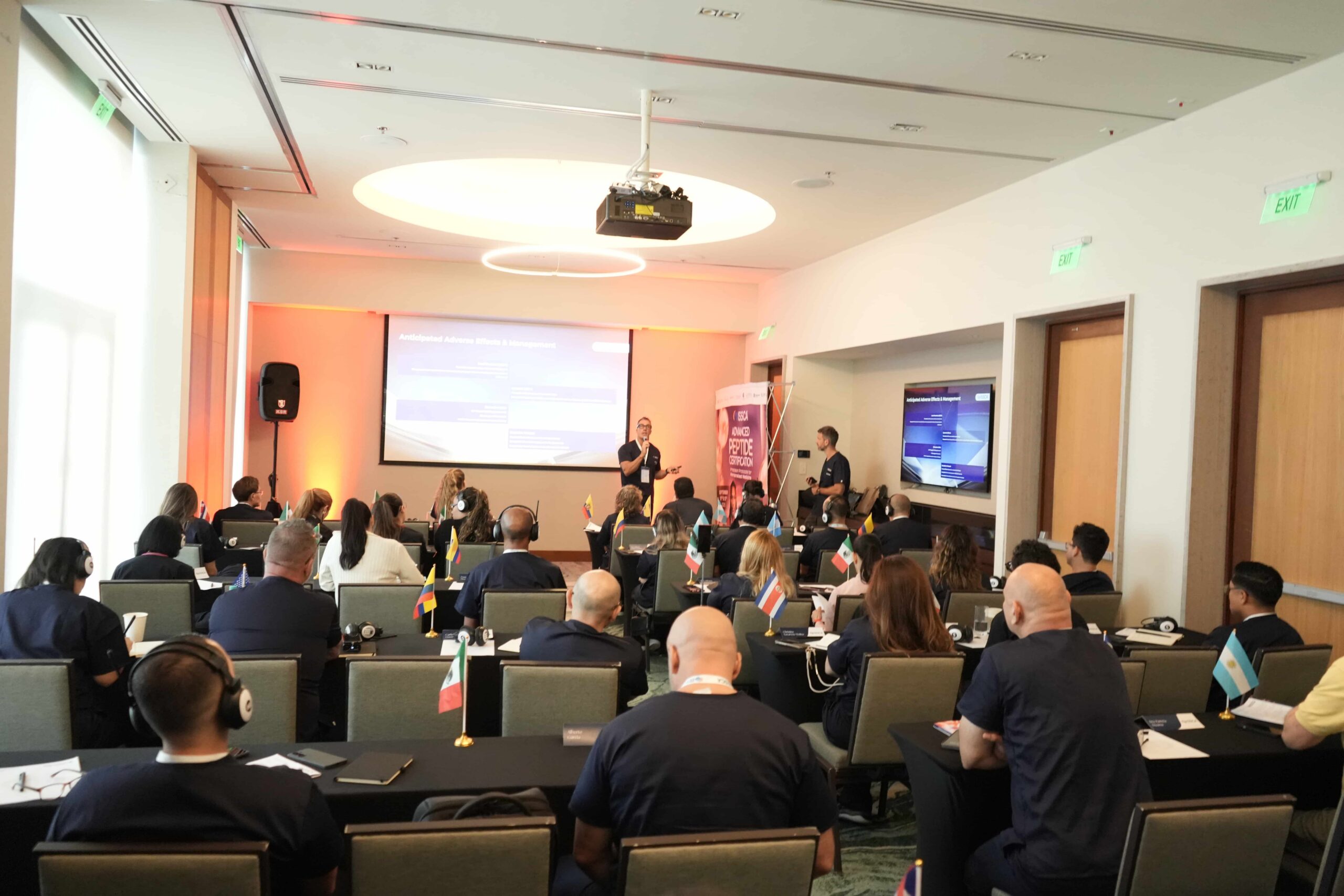
Brandon Sassouni and Prof. Dr. Roni Moya, PhD walk through MUSE biology, S1P/S1PR2 mechanism and the protocols that work in clinic today.
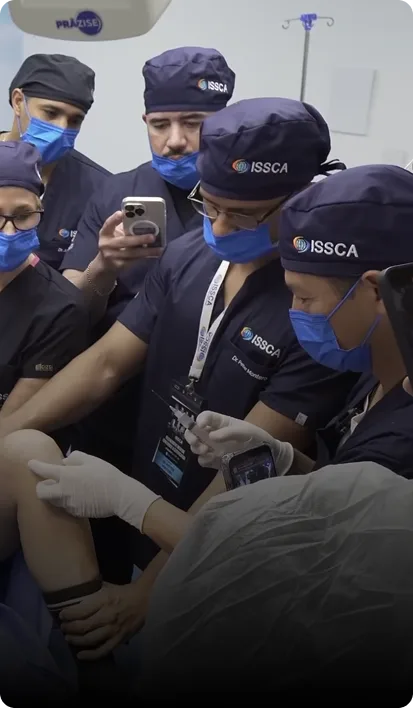
Supervised clinical demonstration — application techniques: intravascular, intra-articular, topical, intranasal.
Trials and real cases: AMI, ALS, stroke, immunodermatology — what is published, what is in trial, and what is bedside-ready.
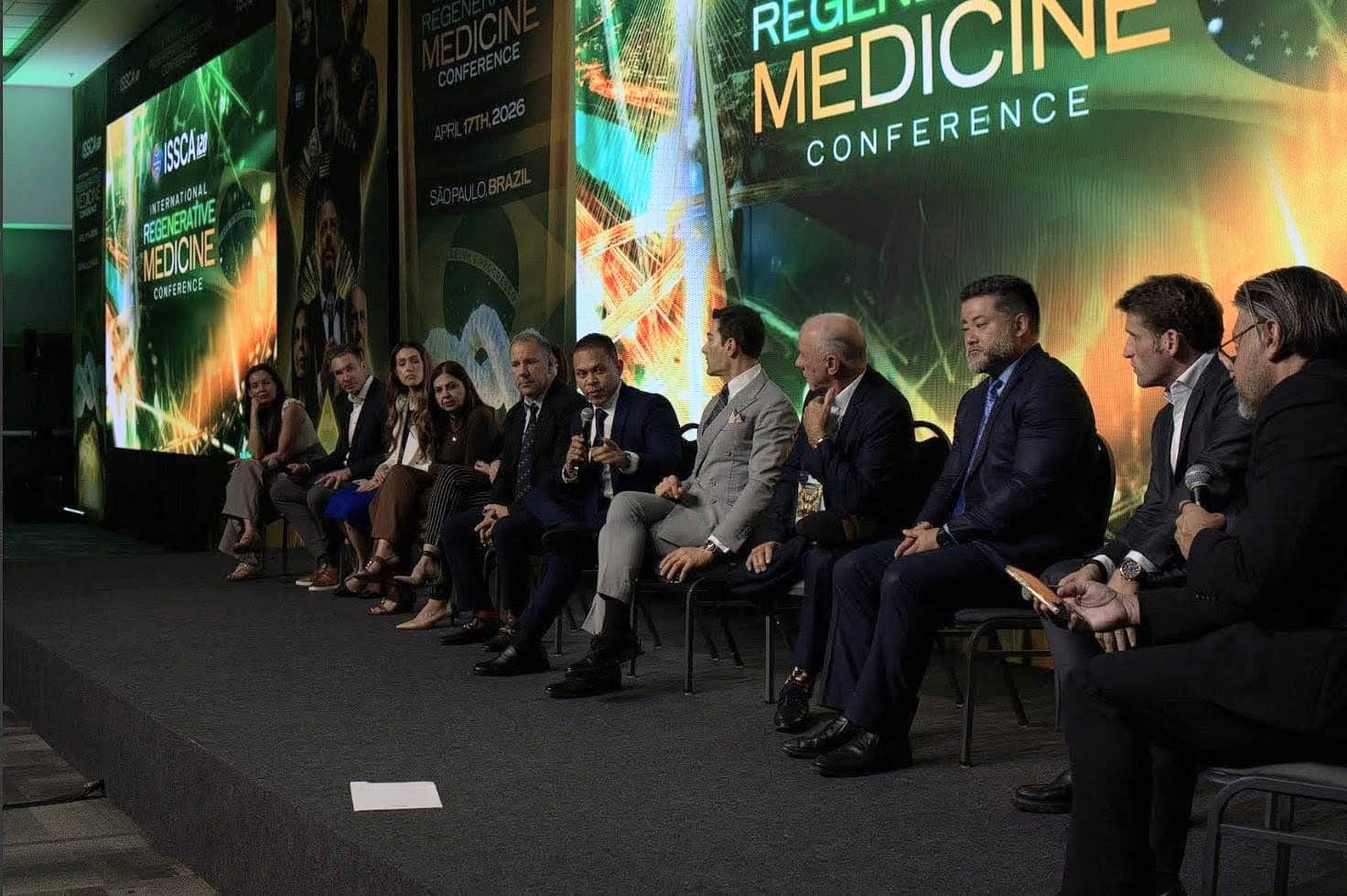
Patient cases, troubleshooting, dosing and combination protocols — open clinical discussion.
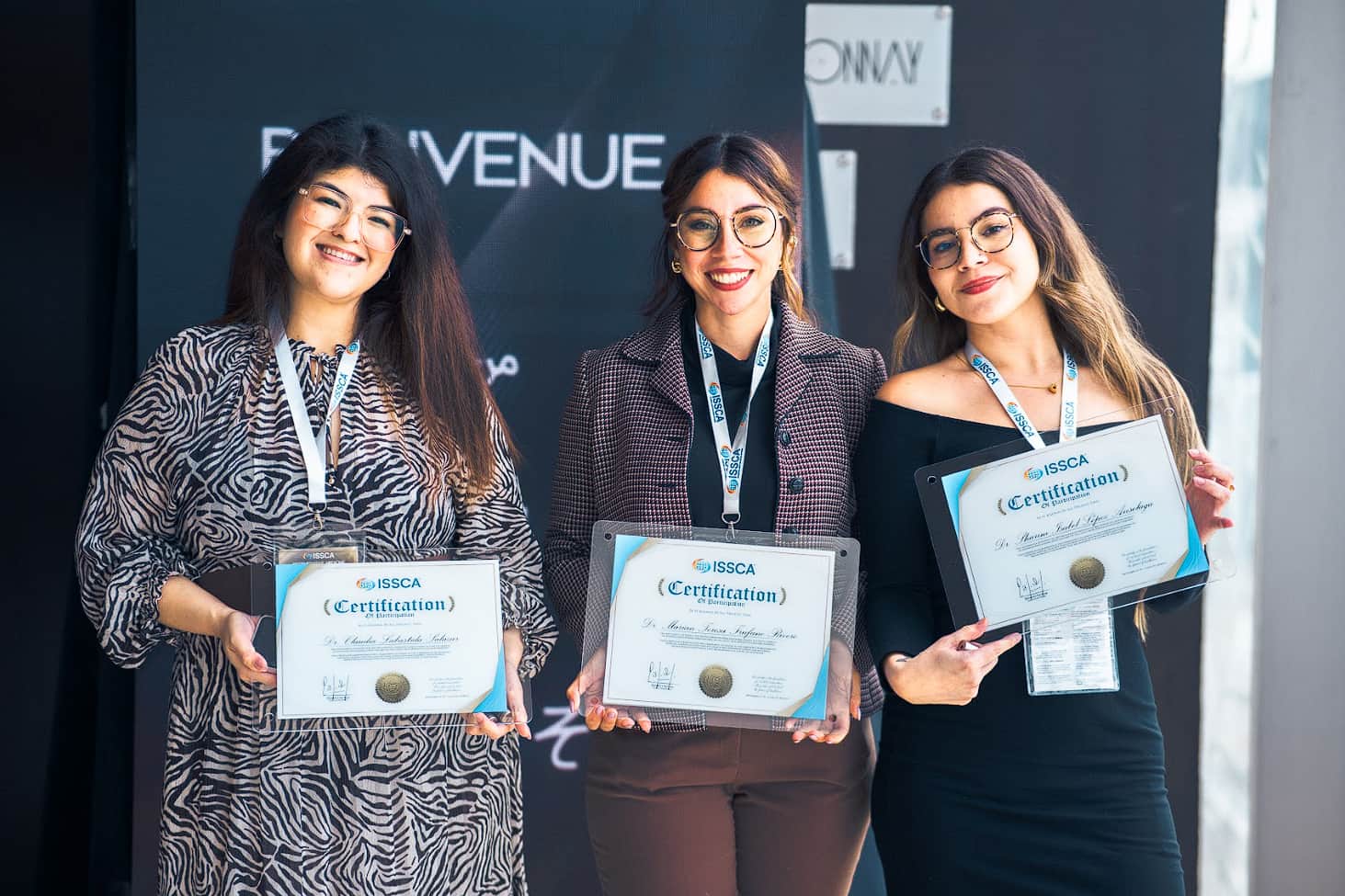
Official ISSCA Advanced MUSE Cell Certification — internationally recognized in 30+ countries.
Dedicated MUSE bus from the host hotel to Cellgenic Lab and back — fully included.
By 6 PM Sunday you can confidently identify, work up, dose and monitor a MUSE-cell candidate — and recognize the cases where MUSE is the wrong answer.
Why MUSE cells differ from MSCs and iPSCs, the homing mechanism, low-tumorigenicity profile and the regulatory framework you operate under.
Complete laboratory and imaging workup, comorbidity stratification, and the explicit go / no-go decision at each axis.
The dosing matrix our faculty actually uses — by indication, by route, with the rationale for booster timing.
Decision tree by indication, infusion-rate protocols, premedication, and the specific scenarios where each route changes outcome.
The exact watch-list at hour 1, day 1, week 1 and month 1. The escalation pathway. The pause-criteria. The documentation trail that protects your clinic and your patients.
How to enter your patient outcomes into the ISSCA registry, the minimum dataset, and how that contributes to the field-wide evidence base.
Each topic comes with the dosing matrices, intake forms and adverse-event playbooks we use in daily practice.
How MUSE differs from MSC and iPSC, the autonomous homing mechanism, and the low-tumorigenicity safety profile that makes MUSE clinically distinct.
Vetted sourcing partners, donor-screening criteria, cold-chain logistics, batch-testing standards, and the regulatory framework by jurisdiction.
The 9-axis intake form. Imaging and laboratory thresholds. The four red-flag combinations that should never receive MUSE infusion.
Dose-by-indication matrix. IV vs intra-articular vs intrathecal. Booster timing. Premedication and infusion-rate protocols.
The hour 1, day 1, week 1, month 1 watch lists. AE escalation pathway. Consent forms, intake forms, documentation trail, registry entry.
Sunday, September 27, 2026 — biology, patient selection, IV systemic, CNS, orthopedic, aesthetic and program-design modules. Faculty-signed ISSCA certification at close.
ISSCA institutional welcome. Certification objectives, academic scope, participation criteria and the clinical vision for MUSE Cell Technology within modern regenerative medicine.
What MUSE cells are — Multilineage-differentiating Stress-Enduring cells. Differences from MSCs, iPSCs and embryonic cells. Clinical relevance of their biological profile.
Key properties: pluripotency, low telomerase activity, non-tumorigenic profile, stress resistance, autonomous homing, in-situ differentiation and immune privilege. Emphasis on the S1P–S1PR2 pathway as the targeting mechanism to damaged tissue.
Networking break.
Patient-selection criteria. Initial clinical evaluation. Risk stratification. Identifying candidates for neurological, orthopedic, systemic, aesthetic and sexual-health protocols.
Fundamentals of intravenous administration. Preparation, dilution, monitoring, safety, infusion timing and systemic-protocol design. Clinical considerations for post-treatment follow-up.
Plated lunch at the host hotel.
Applications in neurology and neuro-rehabilitation. Academic discussion of protocols for stroke, CNS lesions, neurodegeneration, intrathecal and intranasal administration, clinical timing and follow-up criteria.
Applications in joints, spine and soft tissue. Review of epidural, transforaminal, intradiscal, facetary, intra-articular and ultrasound-guided routes. Anatomical considerations, indications and procedural safety.
Networking break.
Potential applications in aesthetic medicine, longevity, male sexual health, female sexual health and stress urinary incontinence. Integrated-protocol design within a regenerative practice.
How to integrate MUSE Cell Technology into clinical practice. Clinical workflow, documentation, patient education, program structure, follow-up, responsible-implementation criteria and certification closure.
Both faculty have first-hand clinical and translational experience with MUSE-cell therapy. You walk out with the protocols they actually use.
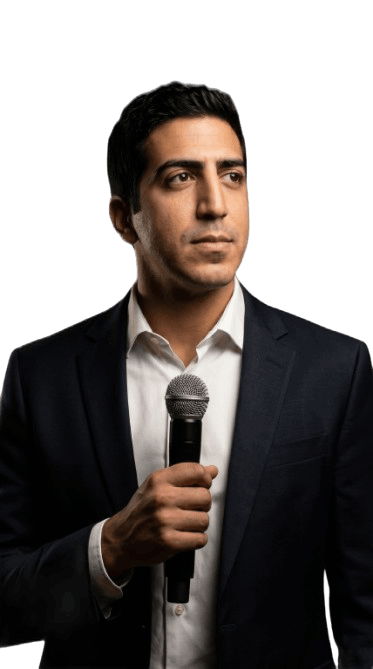
Operational lead on MUSE-cell programs covering sourcing, cold-chain, batch-testing and clinic-side delivery. ISSCA MUSE faculty since program inception.
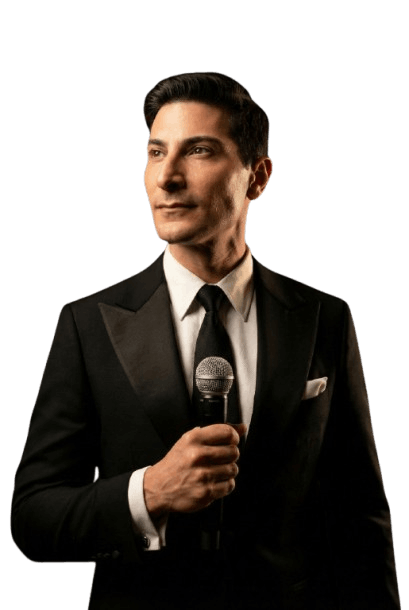
Cell-therapy researcher and clinician working at the translational interface between bench and bedside. Portuguese leadership on regenerative biomedicine.
A rotating bench of ISSCA MUSE-prescribing physicians joins for the patient case-review block, ensuring every attendee leaves with two cases reviewed by faculty.
Faculty-signed, registered in the ISSCA member portal, recognized by 12,000+ ISSCA-certified physicians across 30+ countries.
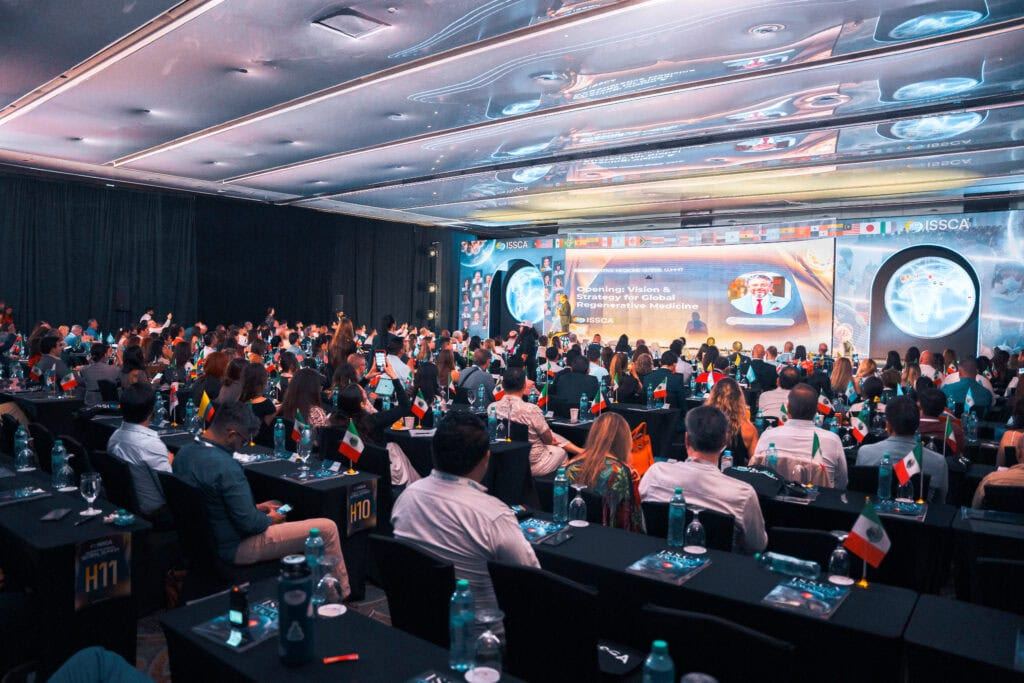
Since 2010, ISSCA has trained 12,000+ physicians across 30+ countries. Hear directly from peers who already apply these protocols in their clinics.
Early Bird closes May 31, 2026. After that, hold your seat with a $1,000 deposit — $3,000 balance due before the event.
Closes May 31, 2026
After May 31 · balance due before Sept 27, 2026
Sunday certification participants receive Saturday's full conference recordings. Bundle with the full Global Summit pass at checkout to attend Saturday in person.
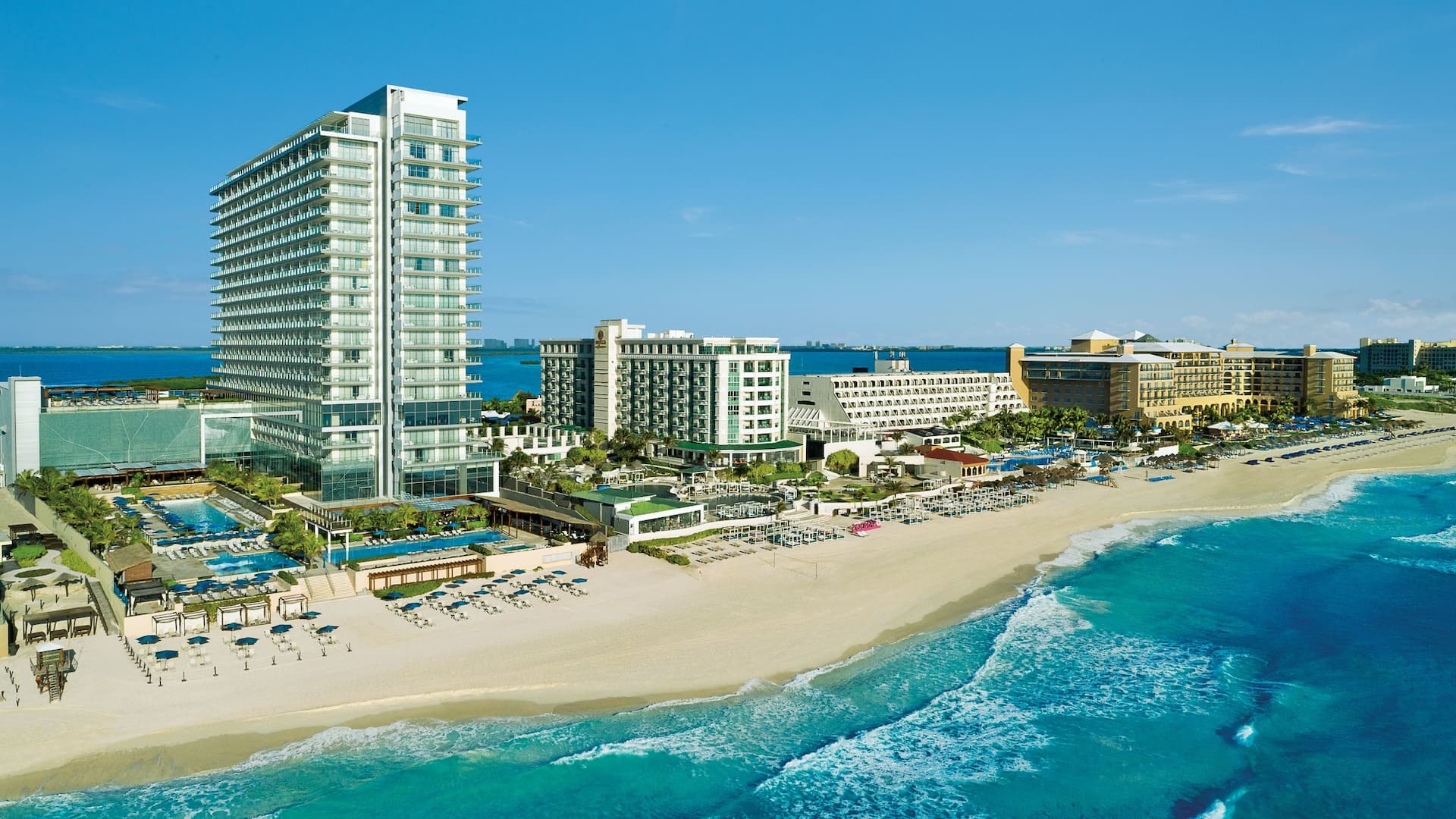
Hands-on at Cellgenic Laboratory Facilities · keynotes & Q&A at the host hotel · organized bus transfer at midday
Cellgenic Laboratory Facilities
Cancún · Quintana Roo
México
Bus from hotel 08:00 · lab modules · transfer back ~12:30
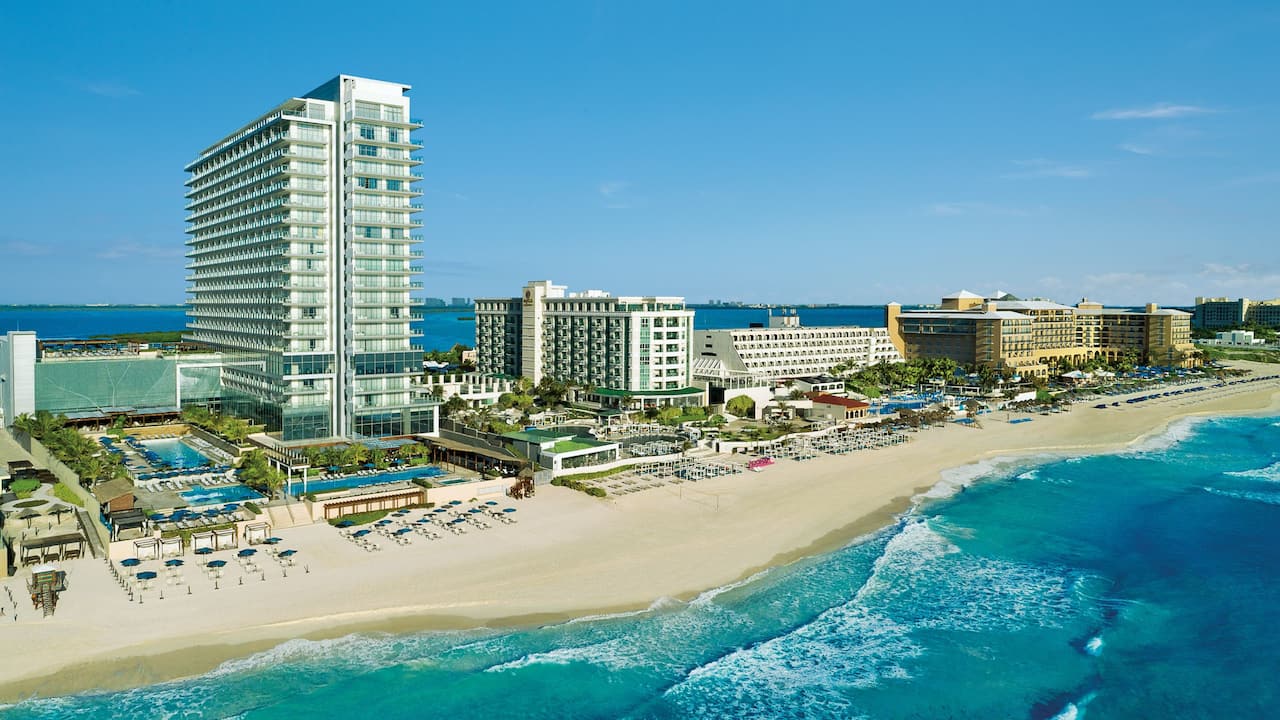
Oceanfront Resort
Cancún Hotel Zone
Quintana Roo, 77500
México
Afternoon keynotes, faculty Q&A and closing ceremony
Need a Visa Letter?
Contact info@stemcellsgroup.com with your passport details after registration. Direct flights from USA, Canada, Mexico, Colombia, Argentina, Spain, Italy, Portugal and UAE.
MUSE-cell therapy is a physician-prescribed cellular therapy. Patient workup, dosing decisions and adverse-event escalation belong squarely with a licensed MD or DO. ISSCA verifies physician credentials at registration.
Sourcing varies by jurisdiction. The certification covers the regulatory landscape and lists the vetted sourcing partners ISSCA faculty work with. We'll cover your country's framework explicitly during sourcing & standards.
Full refund until May 31. 50% refund June 1 – Aug 1. Non-refundable after Aug 1. Free transfer to another physician at your clinic up to 14 days pre-event. Force-majeure: credit carried to the next ISSCA event.
This is a protocol-and-decision-making certification, not a live-infusion workshop. The day is structured around patient case-work, dosing matrices and safety drills — the highest-leverage skills for clinic implementation.
Sunday certification participants get the Saturday conference recordings on the ISSCA member portal. To attend Saturday in person, bundle the full ISSCA Global Summit pass at checkout.
This event does not currently offer CME/CE credits. You will receive an official ISSCA certificate, recognized by practitioners in 30+ countries.
Pair this certification with one of the parallel tracks running on the complementary day. The 15% bundle discount applies to your full enrollment.
The protocols, the dosing matrices, the safety drills, the registry access — taught by the faculty who wrote them.