01 · MSC vs Exosome
The decision matrix
When MSCs outperform, when exosomes are equivalent or better, and the indications where the regulatory delta makes the choice for you.
The only international regenerative-medicine program that integrates stem cells and exosomes with oncologic immunotherapy — CAR-T cells, NK cells and dendritic cells. Master MSCs, exosomes and the secretome: sourcing standards, dose-by-indication matrices, nebulized exosomes, MOTS-C and cell-free protocols, with supervised hands-on lab practice and a live clinical demonstration. Your pass includes the full 2-day ISSCA Global Summit conference: keynotes, 24 clinical faculty and 12,000+ physicians from 45+ countries.
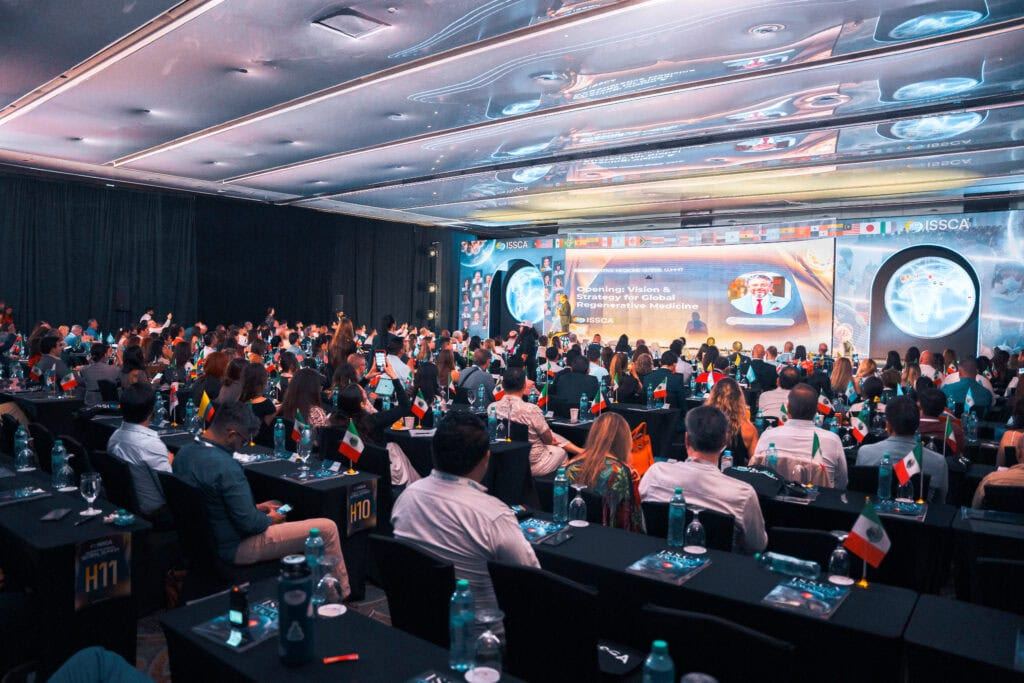
Your pass spans the JW Marriott Cancún weekend: your Advanced Exosomes, MSCs & Immunotherapy certification day at Cellgenic Lab, plus the full 2-day ISSCA Global Summit conference — NYT-bestselling keynotes (Josh Axe · Ben Azadi), 24 clinical faculty and 12,000+ physicians from 45+ countries.
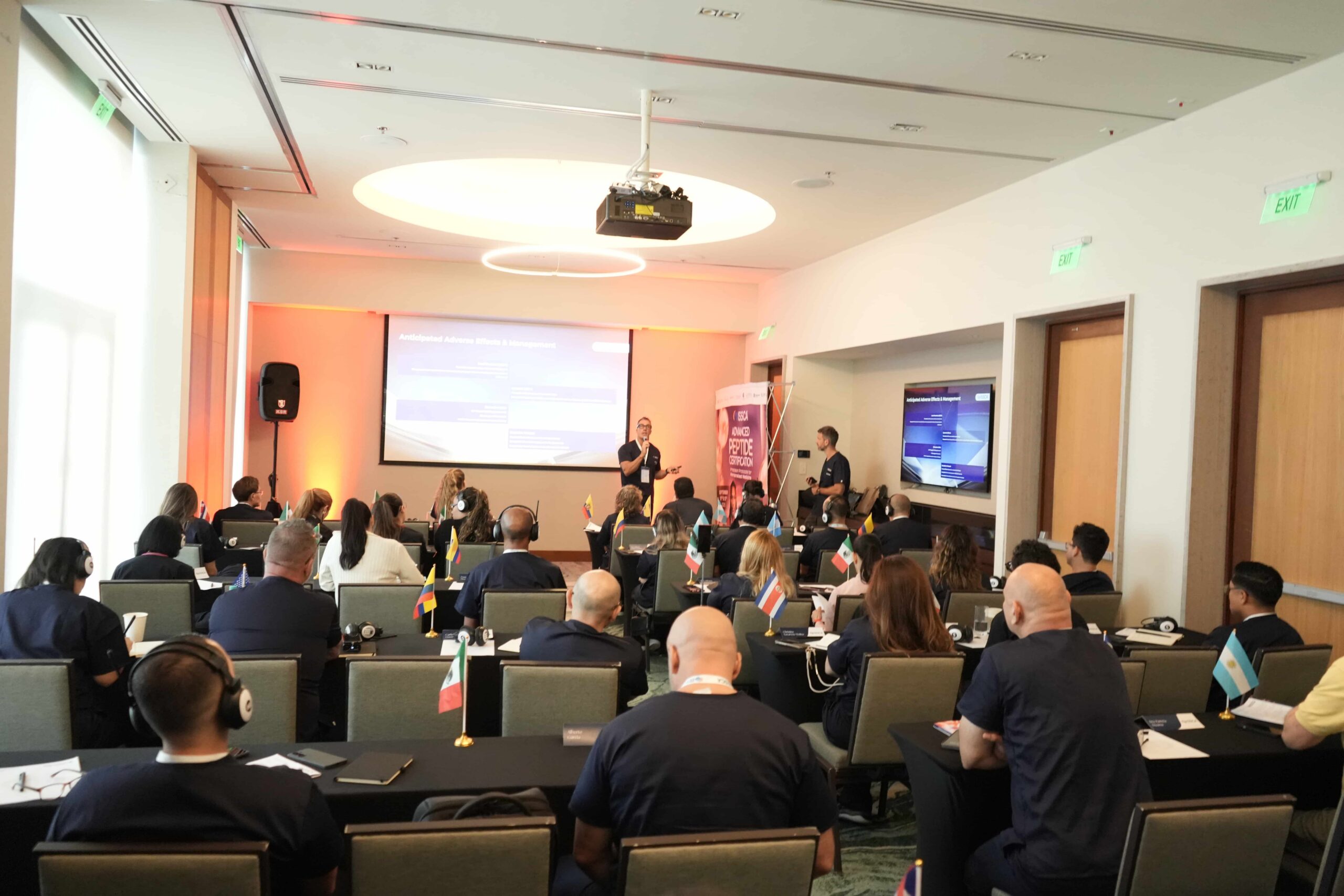
Your Advanced Exosomes, MSCs & Immunotherapy certification day, plus the 2-day ISSCA Global Summit conference with world-class speakers at the JW Marriott Cancún.
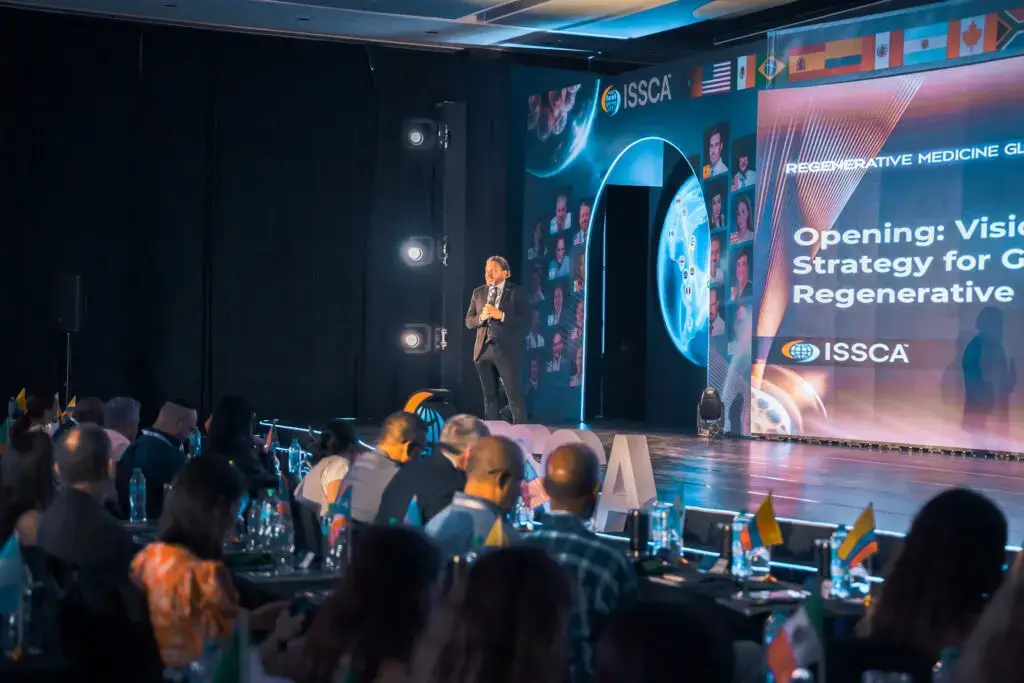
Clinical protocols for mesenchymal stem cells, exosomes and the secretome — sourcing, dose-by-indication, and real clinical case frameworks (Hashimoto's, stroke, radiculopathy).
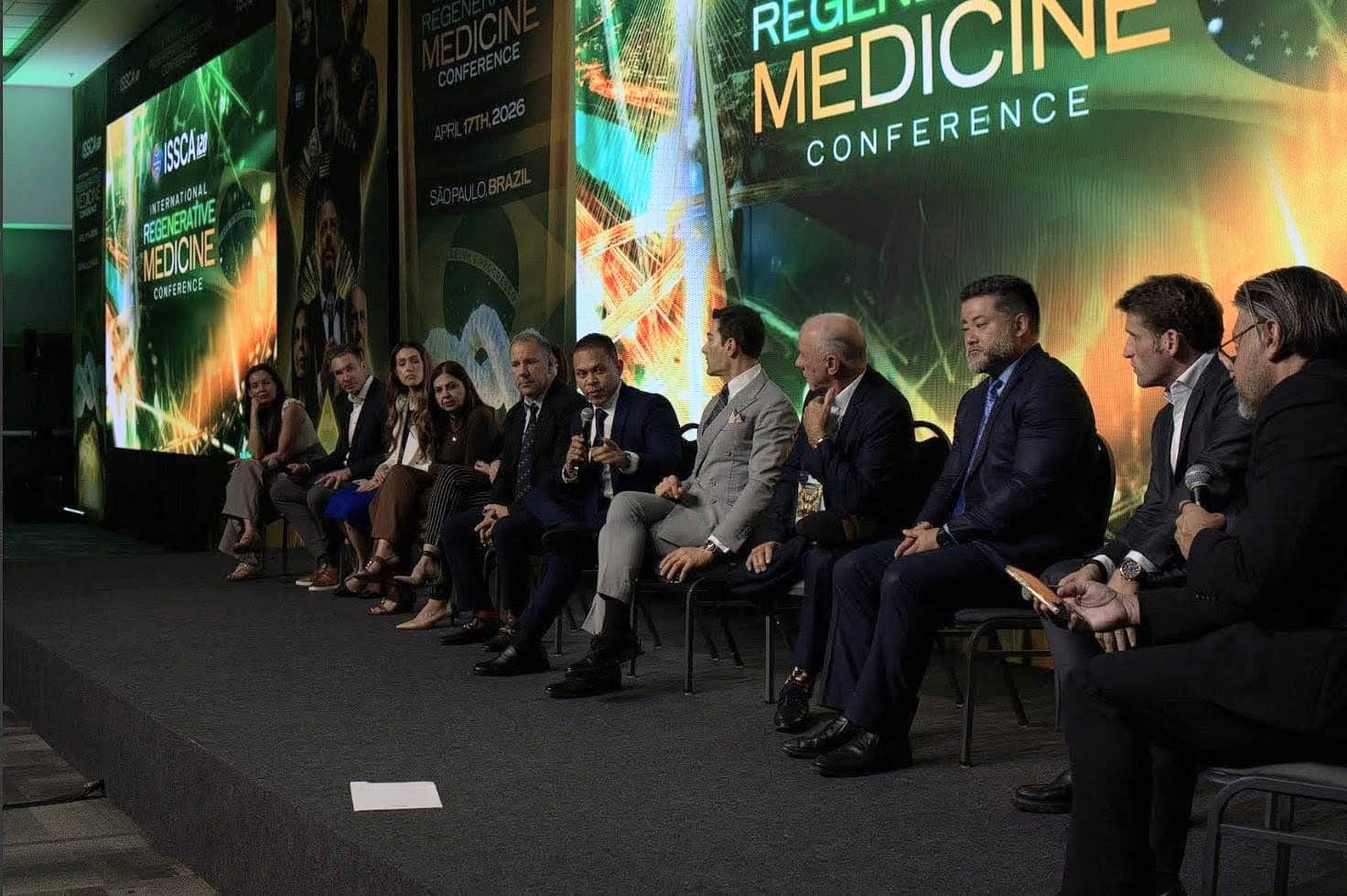
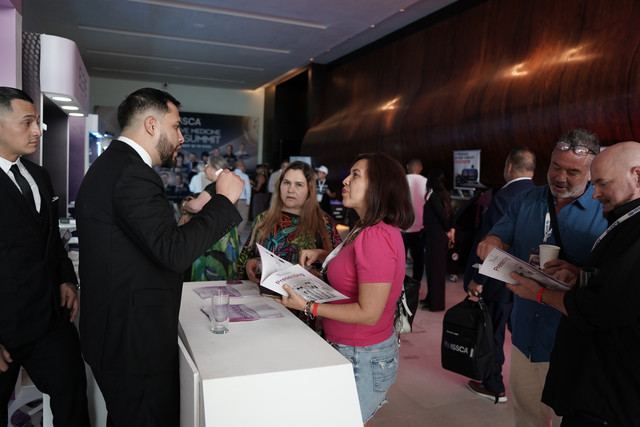
Connect with faculty and peers during structured breaks and the MedConnect rooftop social. Coffee and lunch included with your registration.
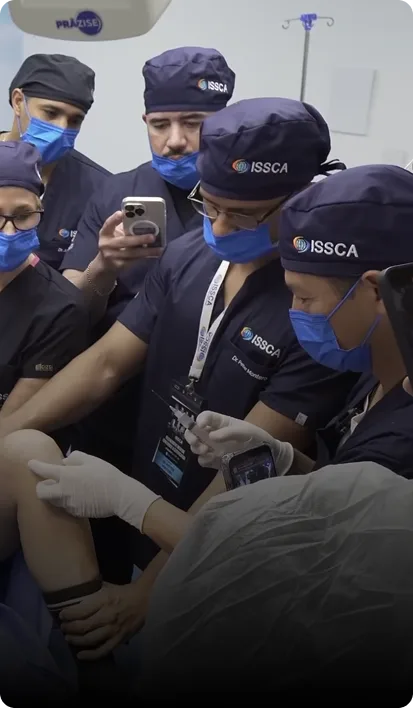
Supervised hands-on practice — cell & exosome lab handling (thawing) and a live clinical demonstration with a demo patient.
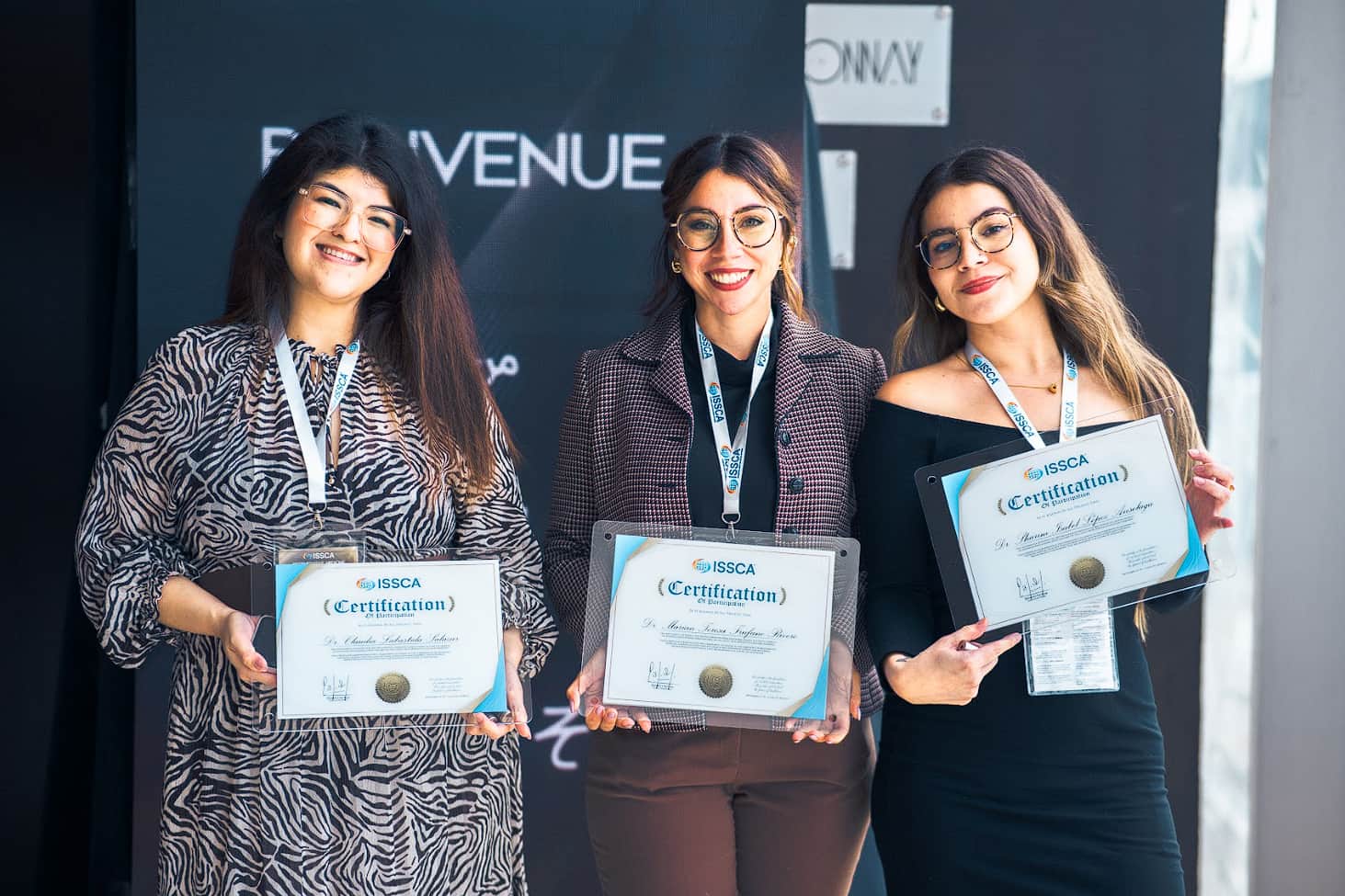
Official ISSCA Advanced Exosomes, MSCs & Immunotherapy Certification — faculty-signed and internationally recognized in 45+ countries.
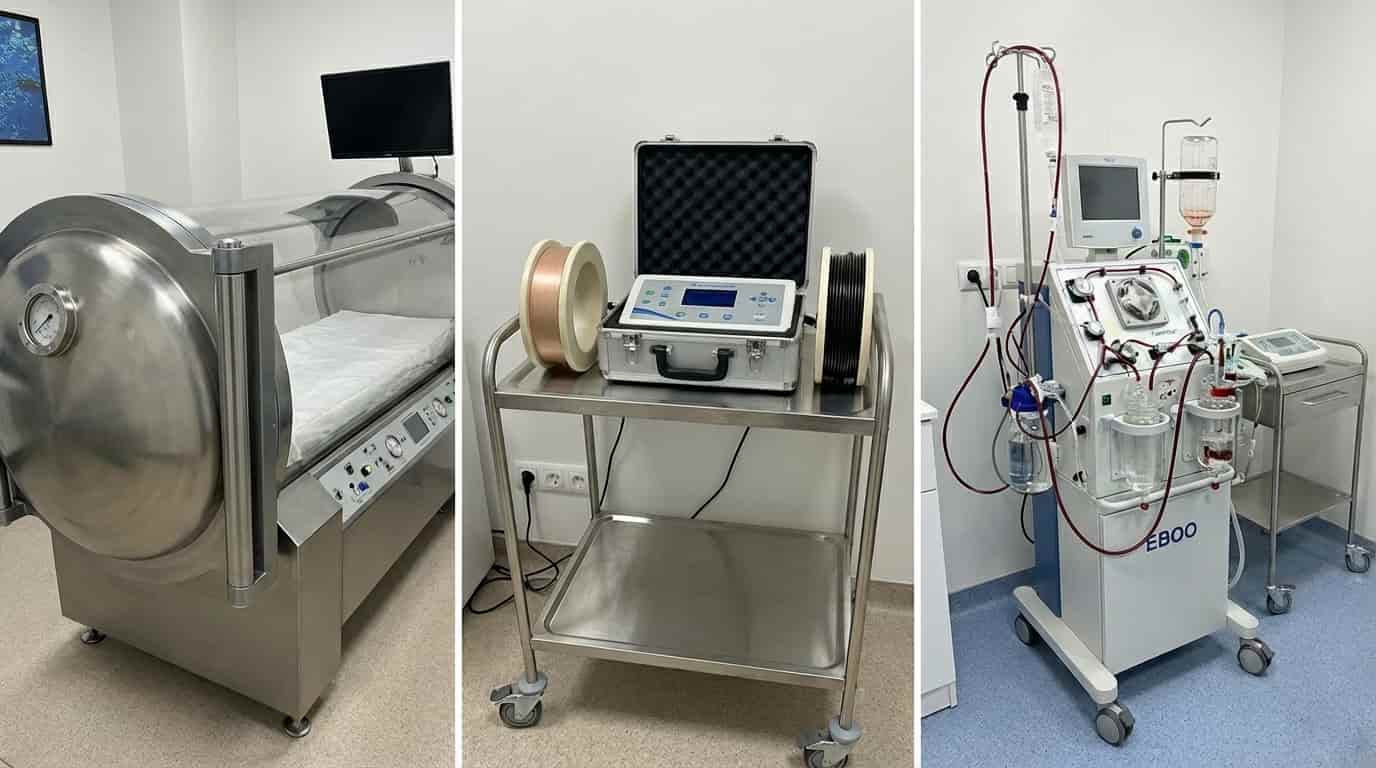
Combine MSCs and exosomes with IV therapies, photobiomodulation, PEMF/HBOT and AI diagnostics for measurable patient outcomes.
By 6 PM Sunday you can confidently choose between MSCs and exosomes, source from a vetted partner, dose by indication, and monitor outcomes that contribute to the field's evidence base.
When MSCs outperform, when exosomes are equivalent or better, and the indications where the regulatory delta makes the choice for you.
Tissue source (umbilical cord vs adipose vs bone marrow), donor screening, characterization standards, batch testing and cold-chain logistics.
A printable matrix: indication → MSC vs exosome → cell count or particle count → route → schedule. The matrix our faculty actually uses.
Route by indication, infusion-rate protocols, premedication, booster timing, and the scenarios where route changes outcome.
Watch-list at hour 1, day 1, week 1, month 1. Escalation pathway. Consent forms, intake forms, the documentation trail that protects your clinic.
How to enter outcomes into the ISSCA registry, the minimum dataset, and how that contributes to the field-wide evidence the clinic needs.
Integrate CAR-T cells, NK cells and dendritic cells into regenerative protocols — and understand the clinical bridge between oncologic immunotherapy and advanced regenerative medicine.
From cell-free regeneration fundamentals to confident clinical protocols — six modules, structured for working physicians.
The science under every protocol: how mesenchymal stem cells and exosomes work, how they are sourced, and the evidence base that validates clinical use.
From vial to patient: building reproducible, indication-specific dosing and the routes that match the clinical target.
Where exosomes and MSCs move the needle on metabolic resilience, recovery and healthspan.
Immune modulation in practice — including real autoimmune cases such as Hashimoto's thyroiditis.
Clinical protocols across the indications clinicians ask for most — neuro and MSK.
Turning single tools into powerful clinical systems — exosomes and MSCs alongside IV therapies and regenerative technology.
Upon completing the certification, physicians receive their official ISSCA Advanced Exosomes, MSCs & Immunotherapy Certification — internationally recognized and backed by 17 years of ISSCA's global education ecosystem.
Your Exosomes, MSCs & Immunotherapy certification day at Cellgenic Lab, plus the 2-day ISSCA Global Summit conference — all included. Switch days below.
Cellgenic Laboratory, Cancún · physicians only · 2 parallel groups · hands-on lab + oncologic immunotherapy module + clinical protocols
Saturday, Sept 26 · Mainstage · 2 keynotes + full clinical faculty + Q&A panel + MedConnect Social
Sunday, Sept 27 · Mainstage morning + closing · parallel specialty certifications
A 1:8 faculty-to-attendee ratio — the most intimate cohort on the summit. Every attendee leaves with two of their own cases reviewed by faculty.
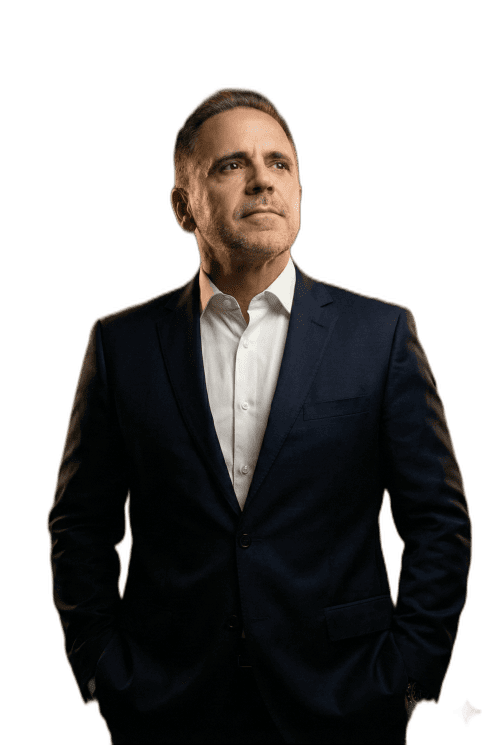
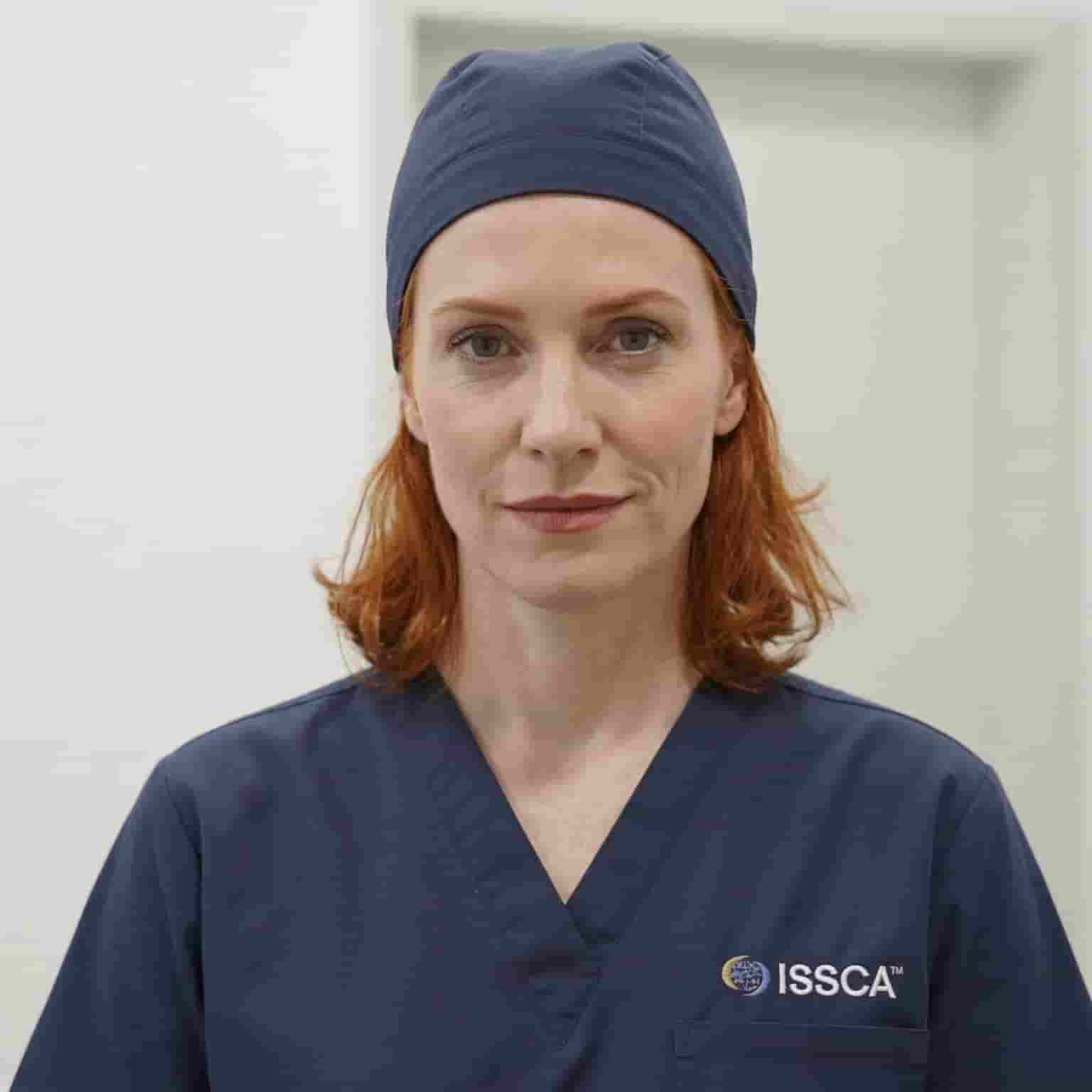
Researcher and clinical developer in immune-cell and MSC strategies. Bridges frontier cell-therapy research with structured clinical application.
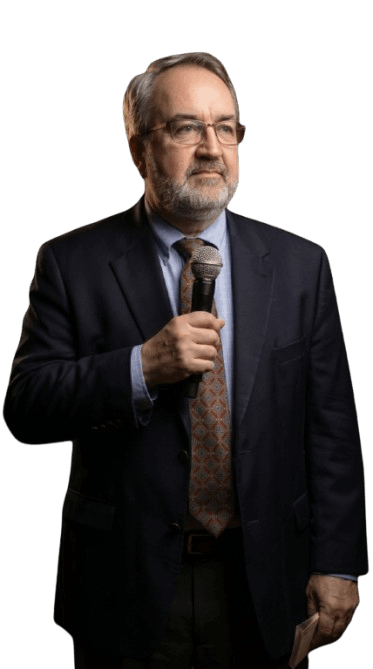
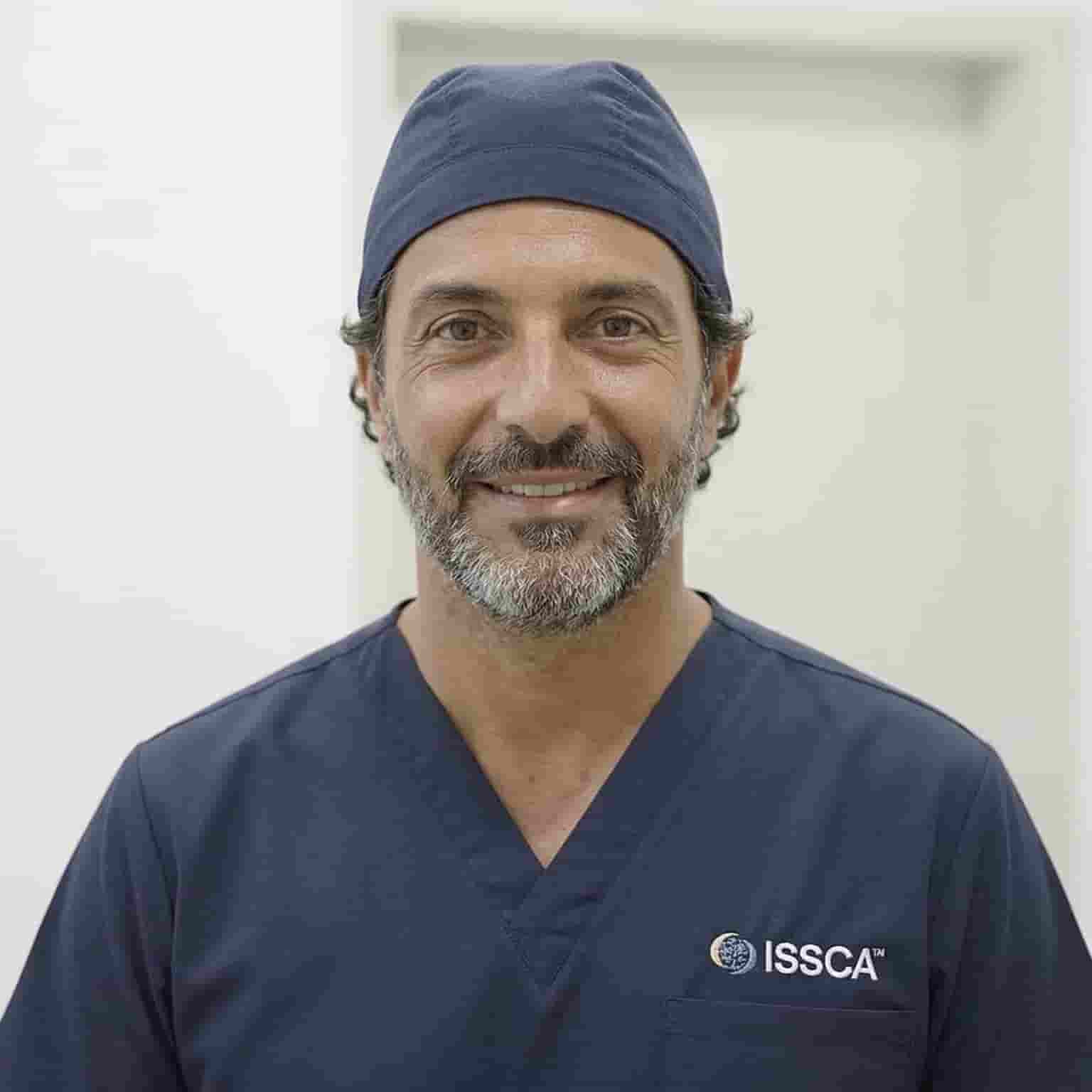
Pioneer of cell-free regenerative therapeutics — coined the term "secretome." Decades of translational research on what MSCs secrete and how to deliver the payload without the cell.
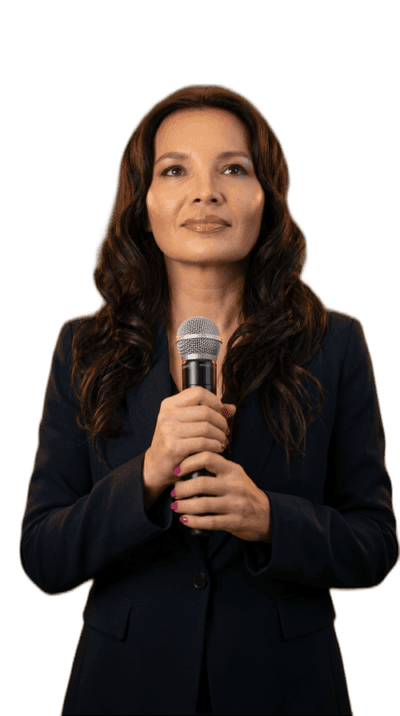
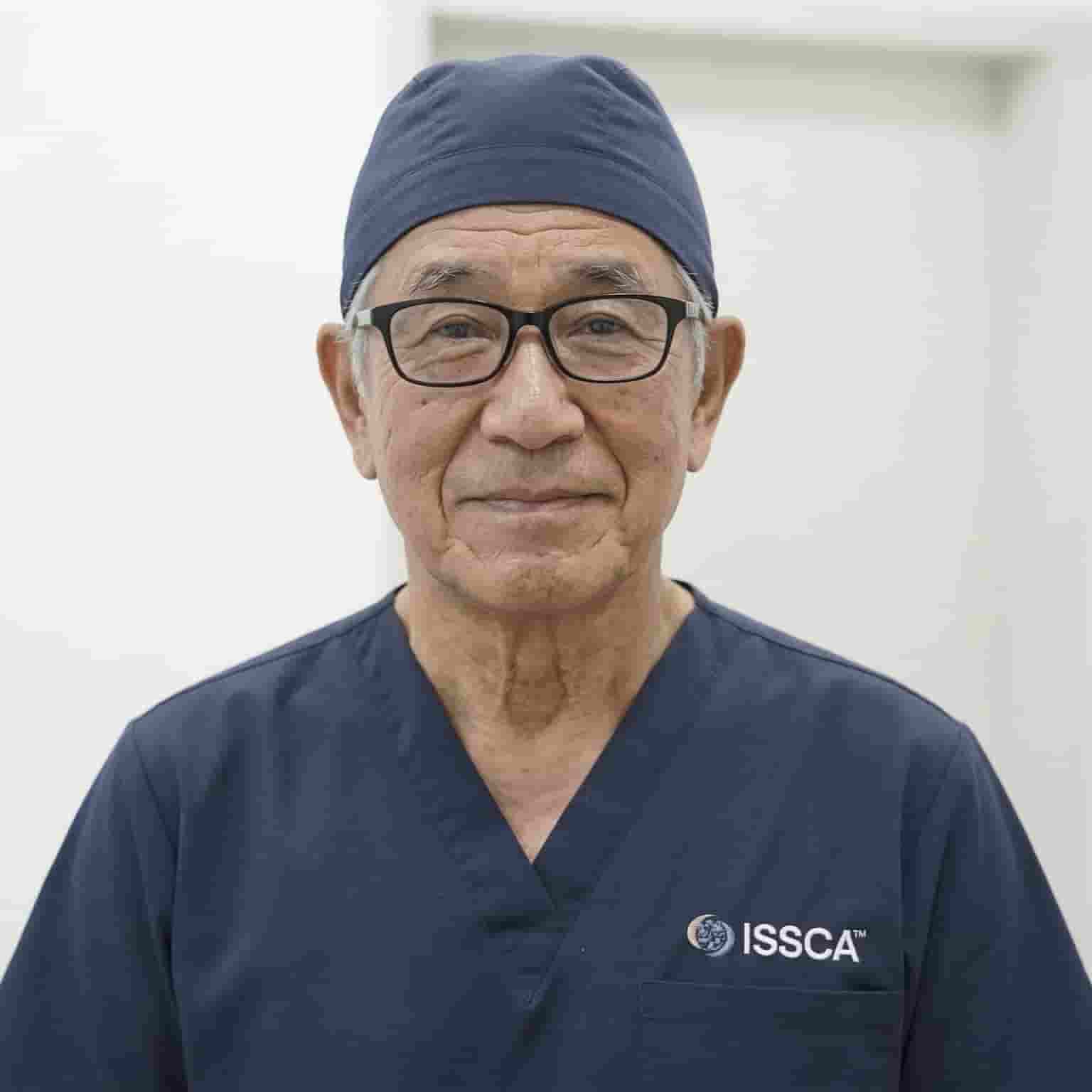
Argentina's leading regenerative-medicine clinician with deep MSC and exosome practice. Leads Group 1 hands-on at Cellgenic Lab.
.png)
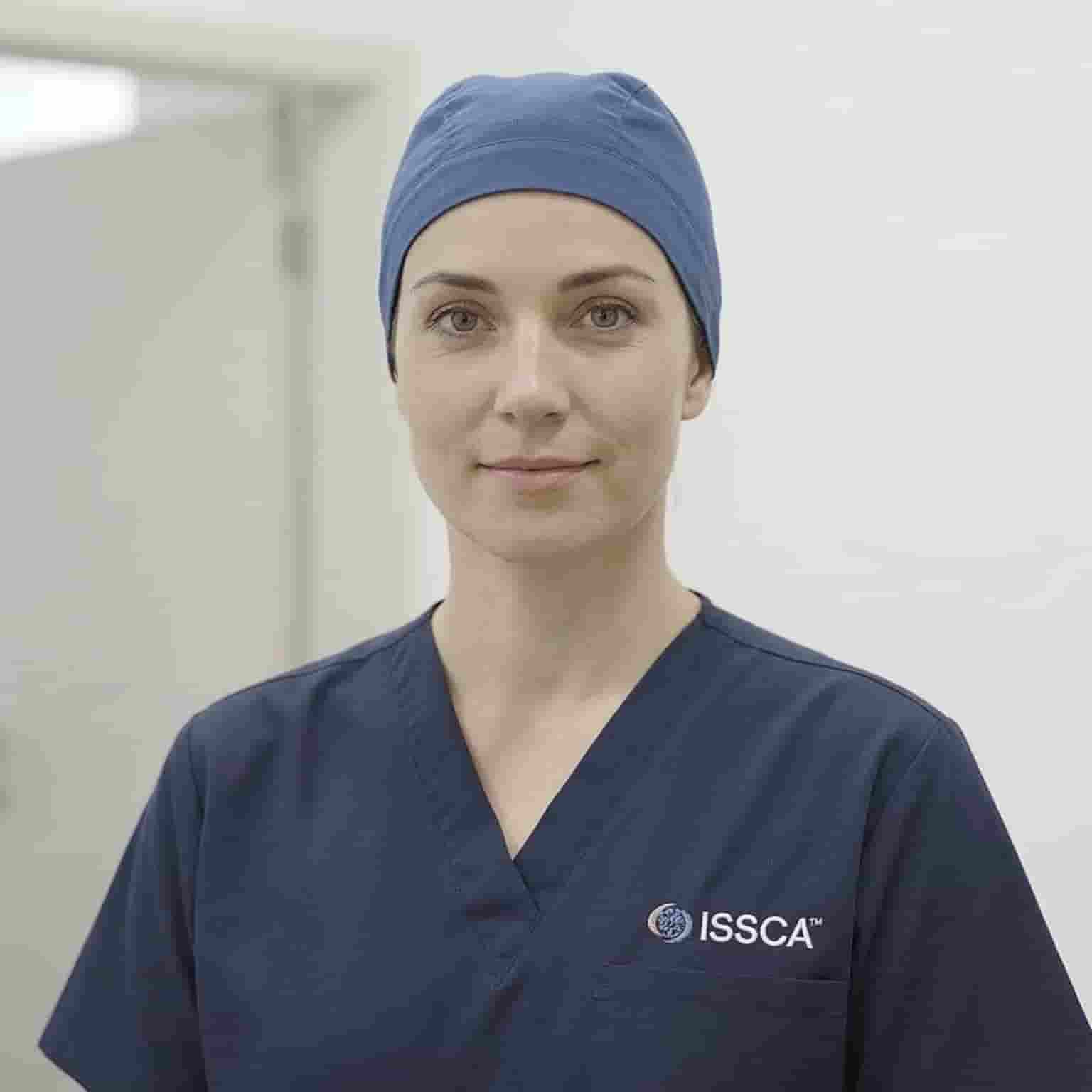
PhD scientist in immunology. Leads the NK Cells & Dendritic Cells module — the clinical bridge between cancer immunotherapy and regenerative medicine.
Faculty-signed, registered in the ISSCA member portal, recognized by 12,000+ ISSCA-certified physicians across 45+ countries.
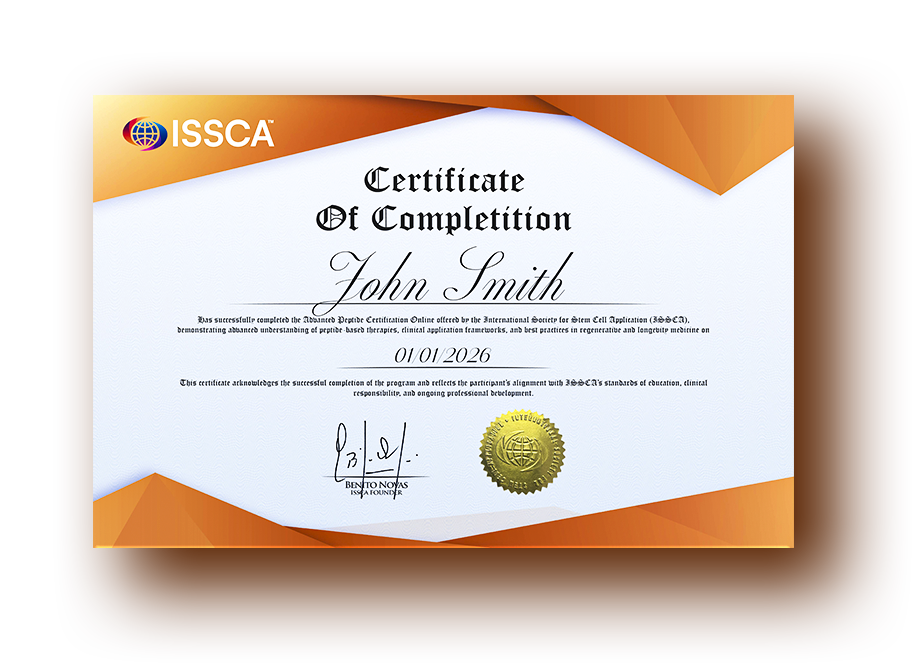
Upon completing the certification, you receive the official ISSCA Advanced Exosomes, MSCs & Immunotherapy Certification — issued to licensed physicians and backed by 17+ years of global clinical education.
ISSCA is a global medical education organization with 17+ years of experience and a network of 12,000+ certified physicians across multiple specialties.
Issued exclusively to licensed physicians (MD/DO). MSC and exosome therapy are physician-prescribed — patient workup, dosing and escalation belong with a licensed physician.
Certified physicians gain ongoing access to updated clinical protocols, the ISSCA app, live webinars and a global network of peers — advancement that continues beyond the event.
Your certification connects you to a long-term system — protocols, technology updates and an international network actively applying regenerative medicine in practice.
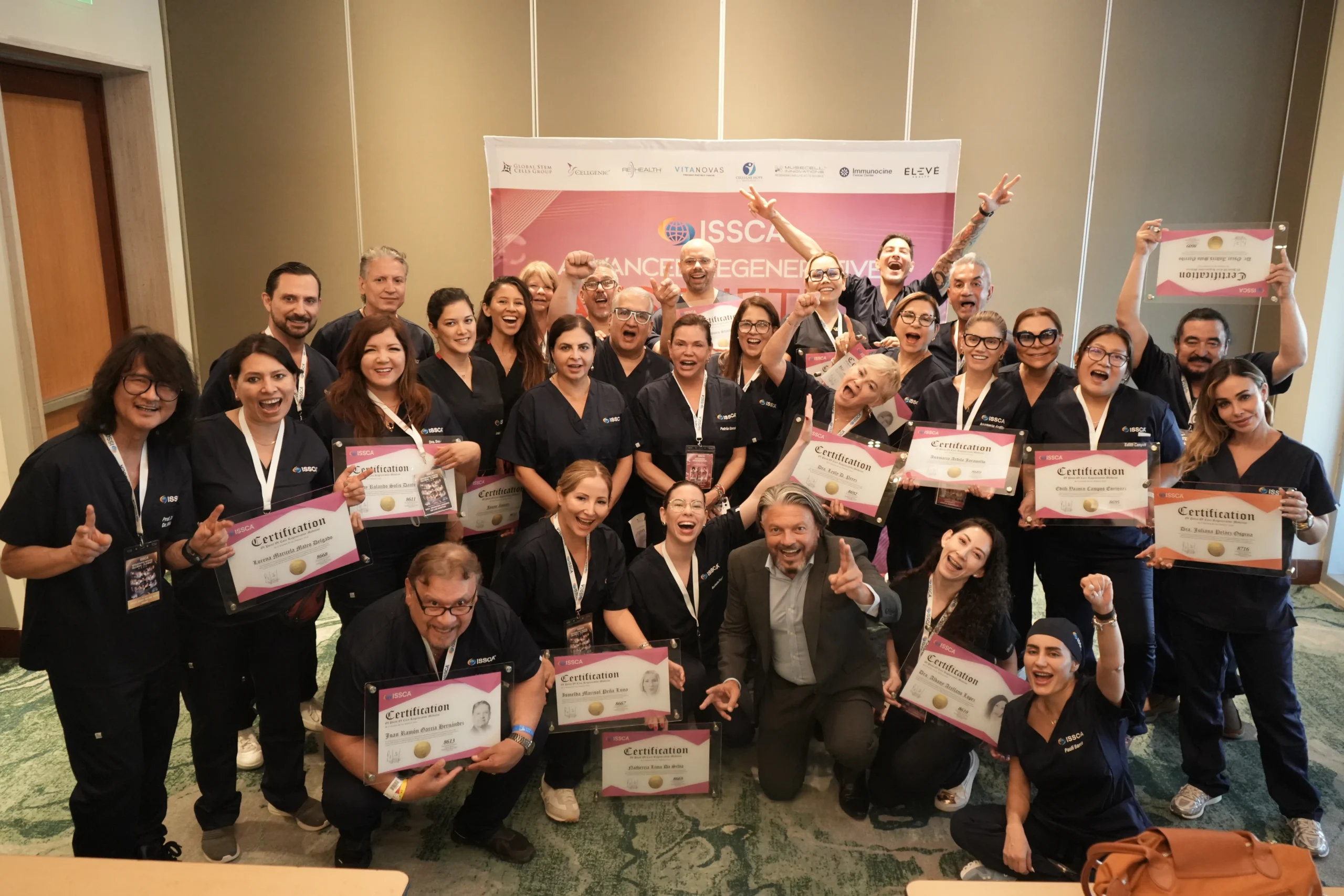
12,000+ physicians certified across 45+ countries in 17 years of ISSCA education. When you complete this certification, you join the world's most respected regenerative medicine network.
Since 2010, ISSCA has trained 12,000+ physicians across 45+ countries. Hear directly from peers who already apply these protocols in their clinics.
Reserve now with a $1,000 deposit to secure your seat, or take the full certification — every benefit included — for $3,500.
Balance due before Sept 27, 2026
Full certification benefits unlock with the Certification Pass →
Reserve — $1,000 →Day 3 · Sunday, Sept 27
Included
2-Day Conference Pass
Saturday + Sunday mainstage access.
Exclusive
Day-3 Hands-On Certification
Live demos, protocol design & real cases.
Outcome
Official ISSCA Credential
Certification-backed, not attendance only.
Everything included
Sunday certification participants receive Saturday's full conference recordings. Bundle with the full Global Summit pass at checkout to attend Saturday in person.
Oceanfront Resort & Spa · Zona Hotelera, Quintana Roo, México
JW Marriott Cancún Resort & Spa
Km 14.7, Blvd. Kukulcán 40
Zona Hotelera, 77500 Cancún
Quintana Roo, México
Need a Visa Letter?
Contact info@stemcellsgroup.com with your passport details after registration. Direct flights from USA, Canada, Mexico, Colombia, Argentina, Spain, Italy, Portugal and UAE.

MSC and exosome therapy are physician-prescribed cellular therapies. Patient workup, dosing decisions and adverse-event escalation belong squarely with a licensed MD or DO. The Limited cap protects the 1:8 faculty-to-attendee ratio that makes the case-review block actually work for every attendee.
Sourcing varies by jurisdiction. The certification covers the regulatory landscape and lists the vetted sourcing partners ISSCA faculty work with. We'll cover your country's framework explicitly during sourcing & standards.
Yes — the day includes supervised hands-on practice: cell & exosome lab handling (thawing) and a live clinical demonstration with a demo patient during the clinic tour, all under faculty supervision. Paired with patient case-work, dosing matrices and safety drills.
No — the certification builds from foundations (mechanisms, sourcing, scientific validation) up to advanced protocols, so physicians new to cell-free regeneration and experienced clinicians both leave with deployable clinical systems.
Full refund until May 31. 50% refund June 1 – Aug 1. Non-refundable after Aug 1. Free transfer to another physician at your clinic up to 14 days pre-event. Force-majeure: credit carried to the next ISSCA event.
Yes — your pass includes the full 2-day Summit conference, so you attend Saturday's mainstage keynotes in person (Sunday you're in the certification lab at Cellgenic).
Pair this certification with one of the parallel tracks running on the complementary day. The 15% bundle discount applies to your full enrollment.
The most intimate cohort of the summit — three of the field's leading clinician-scientists, your patient cases, the protocols.