
*Clinical–Educational Note
This article is intended for educational and scientific purposes only. It does not constitute medical advice or treatment recommendations. Content follows ISSCA’s evidence-based and ethical standards for medical education.
What are CAR-T cells?
CAR-T cells (Chimeric Antigen Receptor T cells) are a form of engineered cellular immunotherapy designed to help the immune system recognize and eliminate cancer cells more effectively. They are derived from a patient’s own T lymphocytes, which are genetically modified in the laboratory to express a synthetic receptor that can specifically bind to antigens on tumor cells.
Unlike conventional immune responses, CAR-T cells are programmed to recognize cancer targets independently of normal antigen presentation, allowing them to overcome certain tumor immune-evasion mechanisms.
How are CAR-T cells created?
The CAR-T process involves several carefully controlled steps:
- Collection of T cells from the patient’s blood
- Genetic modification to introduce the chimeric antigen receptor
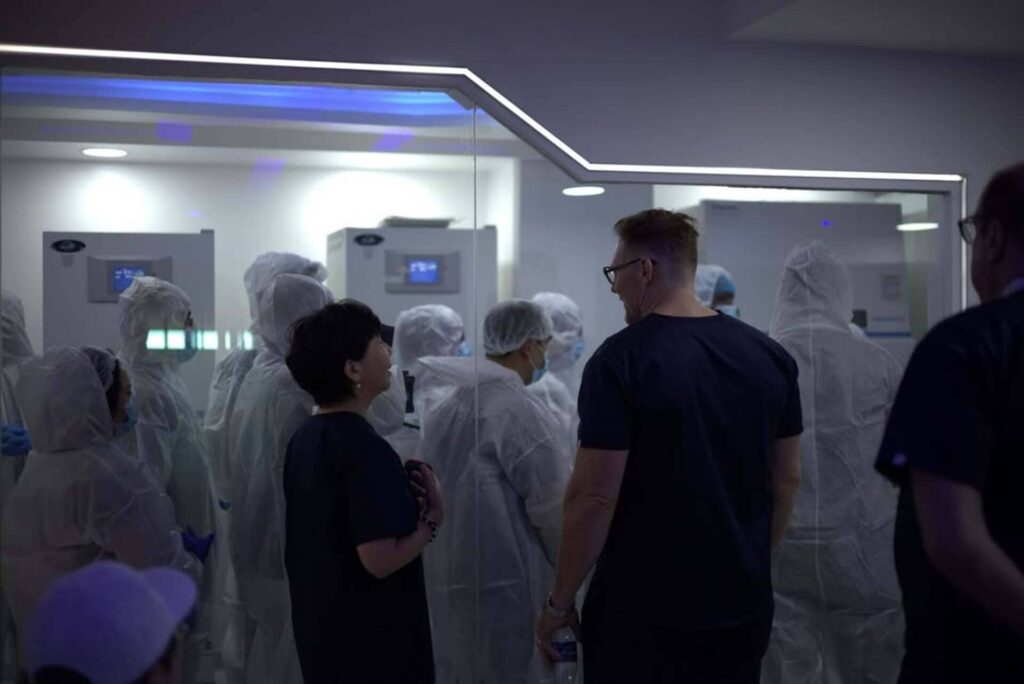
- Expansion of the modified T cells in specialized facilities
- Reinfusion of CAR-T cells back into the patient
Once infused, CAR-T cells circulate, recognize tumor-specific antigens, and initiate a targeted immune response.
How do CAR-T cells kill cancer cells?
CAR-T cells combine properties of adaptive immunity with engineered specificity. When the chimeric receptor binds to its target antigen on a cancer cell, it triggers T-cell activation, leading to:
- Release of cytotoxic molecules
- Direct tumor cell destruction
- Proliferation of CAR-T cells at the tumor site
- Recruitment of additional immune responses
This mechanism allows CAR-T cells to act as a living therapy, capable of expanding and persisting in the body.
Why are CAR-T cells important in modern oncology?
CAR-T therapy represents a major shift in cancer treatment, particularly for certain hematologic malignancies. In clinical research and approved indications, CAR-T cells have demonstrated the ability to induce deep and durable remissions in patients who did not respond to conventional therapies.
Their success has helped establish cellular immunotherapy as a central pillar of modern oncology, alongside surgery, chemotherapy, radiation, and targeted drugs.
What are the main limitations and risks of CAR-T therapy?
Despite their promise, CAR-T cells present important challenges:
- Cytokine release syndrome (CRS) due to strong immune activation
- Neurotoxicity in some patients
- Complex and costly manufacturing processes
- Limited effectiveness in solid tumors compared to blood cancers
These factors highlight the need for careful patient selection, monitoring, and ongoing research.
How do CAR-T cells differ from other cellular therapies?
CAR-T cells are part of the adaptive immune system and rely on antigen-specific recognition. This distinguishes them from:
- NK cells, which act through innate immune mechanisms
- MSC-based therapies, which focus on immune modulation and tissue repair
- Exosome-based approaches, which deliver signaling cues without live cells
Each modality addresses different biological needs within immune and regenerative medicine.
Frequently Asked Questions (FAQ)
Are CAR-T cells approved medical treatments?
Yes. Several CAR-T therapies are approved for specific blood cancers, depending on regulatory agency and indication.
Are CAR-T cells used for solid tumors?
They are under active research, but solid tumors remain more challenging due to immune suppression and antigen heterogeneity.
Are CAR-T cells permanent in the body?
They may persist for months or years, but longevity varies by patient and therapy design.
Are CAR-T cells the same as stem cell therapies?
No. CAR-T cells are immune cells, not stem cells, and serve a different biological function.
Conclusion
CAR-T cells represent one of the most significant advances in modern cancer immunotherapy. By reprogramming a patient’s own immune cells to recognize and destroy cancer, CAR-T therapy has redefined what is possible in oncology.
As research continues to expand into new targets and safer designs, CAR-T cells remain a powerful example of how cellular engineering can transform immune-based medicine. ISSCA remains committed to educating clinicians on these advances through evidence-based, ethical, and scientifically grounded frameworks.