Exploring the Power of Platelet-Rich Plasma (PRP) in Regenerative Medicine
WEDNESDAY, 14 MARCH 2018 / PUBLISHED IN BLOG
We have been in the regenerative medicine specialty for about 8 years. Like pretty much everyone, we started by using Platelet-Rich Plasma (PRP). We learned about it, were fascinated by it, and treated our patients with it. Patients loved it, and so did we.
The Versatility of PRP
PRP, if obtained and used correctly, is a very powerful tool to implement in any medical practice. It is especially useful for treating the elderly, osteoarthritis, wear and tear of tendons and ligaments, and loss of vitality. PRP is also frequently used in plastic and reconstructive surgery for wound care, scar improvement, and overall rejuvenation of the skin.
How Does PRP Work?
We are all familiar with platelets. They have significant power and influence over tissue regeneration. By concentrating them in a blood sample, we can obtain signaling proteins, cytokines, and growth factors. Adding white blood cells to the mix creates what is called L-PRP (leukocyte-rich PRP), making that “soup” even more potent.
Activating PRP for Maximum Benefits
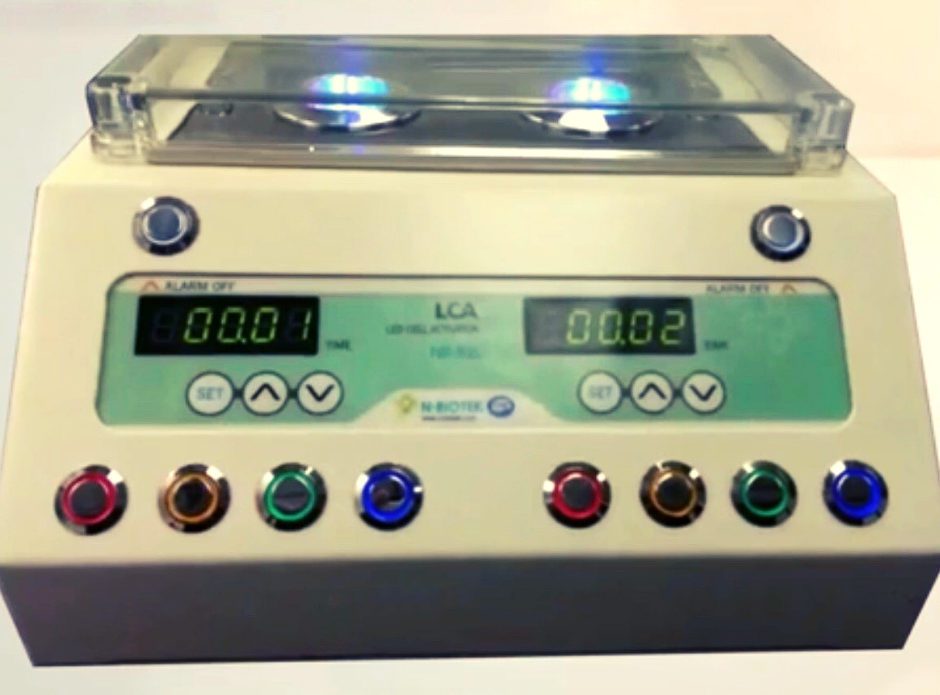
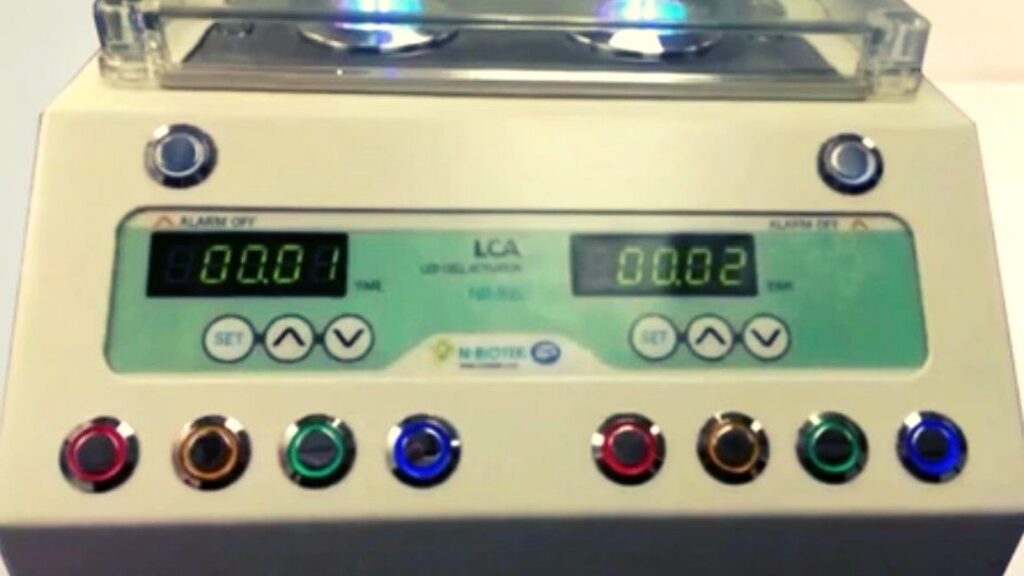
To harness the power of these bioactive substances, we need to coax the cells into releasing them. Normally, platelets get activated by the addition of calcium or by contact with collagen. However, several studies have demonstrated the influence of low-intensity laser on the activity of some cells. This effect is called “Photobiomodulation.”
Understanding Photobiomodulation
Photobiomodulation is a form of light therapy that uses non-ionizing light sources, like LEDs or Helium-Neon lasers, to produce photochemical events at various biological scales. It has been demonstrated that this light interacts with the enzyme Cytochrome C oxidase, which is crucial in mitochondrial processes.
The Impact of Low-Level Laser Therapy
Several scientists studied this light and its effects on cellular cultures. They found that cells proliferate more when exposed to low-level laser and showed increased viability. We compared the levels of cytokines and growth factors in irradiated and non-irradiated samples. Sure enough, some growth factors even tripled in concentration after laser exposure. The famous Interleukin 10, an anti-inflammatory protein, doubled its levels, and endorphins were released in high levels.
Benefits of Photobiomodulation
The photobiomodulation process provides extraordinary benefits in pain management, inflammation reduction, immunomodulation, and promotion of wound healing and tissue regeneration. It plays a fundamental part in our protocols.
Conclusion
Isn’t it all amazing? The potential of PRP and photobiomodulation in regenerative medicine continues to astonish us. We will see you in the next blog. Keep your cells healthy!