
How do peptides actually work in aesthetic anti‑aging medicine, and why are they increasingly used by regenerative physicians?
This is one of the most common questions asked by both patients and clinicians searching Google today. Aesthetic medicine is no longer limited to surface-level correction. Modern anti‑aging strategies are increasingly rooted in cellular biology, inflammation control, collagen remodeling, and tissue regeneration. Within this framework, peptides have gained relevance not as cosmetic enhancers, but as biological signaling molecules that influence how skin ages, repairs, and responds to stress.
From the ISSCA perspective, anti‑aging is not about reversing time. It is about optimizing the biological environment of aging tissue so that skin can function, repair, and regenerate more effectively.
*Clinical note: This article is educational and does not provide dosing, compounding instructions, or treatment recommendations.
What actually causes skin aging at the cellular level?
Skin aging is the visible expression of deeper biological changes. Scientific literature in dermatology and aging biology consistently demonstrates that wrinkles, laxity, uneven texture, and delayed healing are downstream effects of cellular dysfunction rather than isolated cosmetic problems.
At the tissue level, aging skin is characterized by:
- Reduced fibroblast activity and diminished collagen synthesis
- Disorganization and fragmentation of the extracellular matrix
- Impaired angiogenesis and microcirculation
- Accumulation of oxidative stress and advanced glycation end products
- Chronic low‑grade inflammation, commonly described as inflammaging
These processes compromise the skin’s regenerative capacity. Effective anti‑aging interventions must therefore restore cellular communication and repair signaling, not merely camouflage visible signs.
Why are peptides relevant to aesthetic anti‑aging medicine?
Peptides are short chains of amino acids that act as biological messengers. In human physiology, they regulate processes such as cell migration, immune signaling, tissue repair, angiogenesis, and collagen production.
In the context of aesthetic anti‑aging, peptides are relevant because they interact directly with pathways that determine skin quality. Scientific studies in dermatology and wound healing have shown that certain peptides can influence:
- Fibroblast activation and collagen production
- Immune balance within the skin microenvironment
- Cellular turnover and repair signaling
- Vascular support and nutrient delivery to tissues
Unlike approaches that rely solely on mechanical correction, peptides work upstream by modifying how skin cells communicate and respond to aging stimuli.
How do peptides support collagen synthesis and dermal structure?
One of the most well-documented roles of peptides in aesthetic medicine relates to collagen remodeling. Research on signal peptides and copper‑binding peptides demonstrates their capacity to stimulate fibroblast activity and upregulate genes associated with collagen, elastin, and proteoglycan synthesis.
As skin ages, collagen fibers become fragmented and poorly organized. Peptides support dermal regeneration by:
- Encouraging new collagen formation rather than relying on volume replacement
- Improving dermal thickness and tensile strength
- Supporting reorganization of the extracellular matrix
This regenerative process aligns anti‑aging outcomes with long‑term tissue integrity rather than short‑term aesthetic correction.
Peptides, inflammation, and the concept of inflammaging
Chronic inflammation is a central driver of both intrinsic and extrinsic skin aging. Elevated inflammatory cytokines accelerate collagen degradation, impair barrier function, and slow tissue repair.
Scientific research in aging biology shows that inflammaging plays a significant role in:
- Loss of skin elasticity
- Increased wrinkle formation
- Delayed healing after aesthetic procedures
- Increased sensitivity and barrier dysfunction
Certain peptides studied in regenerative and immunomodulatory contexts have demonstrated the ability to modulate inflammatory signaling rather than suppress it entirely. This distinction is critical. Controlled inflammation is necessary for healing; excessive inflammation accelerates aging.
By supporting balanced immune responses within the skin, peptides contribute to healthier aging trajectories.
Angiogenesis, microcirculation, and skin vitality
Healthy skin depends on effective microcirculation. Aging is associated with reduced capillary density and impaired angiogenic signaling, limiting oxygen and nutrient delivery to dermal tissues.
Research in tissue repair and regenerative biology suggests that peptides involved in cell migration and vascular signaling can:
- Support angiogenesis and capillary health
- Improve nutrient and oxygen delivery to aging skin
- Enhance recovery following aesthetic or regenerative procedures
This vascular component is often underappreciated in traditional aesthetic medicine but is essential for durable anti‑aging results.
Why aesthetic anti‑aging is not skin‑deep
From a regenerative medicine standpoint, skin aging cannot be separated from systemic health. Metabolic dysfunction, insulin resistance, sleep disruption, hormonal imbalance, and oxidative stress all accelerate visible aging by impairing cellular repair mechanisms.
Peptides used in aesthetic contexts often exert indirect benefits by supporting:
- Metabolic efficiency and nutrient utilization
- Sleep quality and circadian rhythm stability
- Stress resilience and recovery capacity
- Immune balance and inflammation control
This explains why improvements in internal biology often translate into better skin quality, even when interventions are not directly applied to the skin itself.
What does the scientific evidence actually support?
Peer‑reviewed research supports peptides as biologically active signaling molecules involved in collagen synthesis, wound healing, immune modulation, and angiogenesis. Some peptides, particularly those studied in dermatology, have human clinical data demonstrating improvements in skin structure, thickness, and appearance.
However, responsible regenerative medicine requires intellectual honesty. Not all peptides have equal levels of evidence, and many aesthetic applications remain supported primarily by mechanistic or preclinical data. Ethical use requires:
- Clear communication of evidence level
- Avoidance of exaggerated anti‑aging claims
- Integration into comprehensive regenerative strategies
How ISSCA frames peptides in aesthetic anti‑aging education
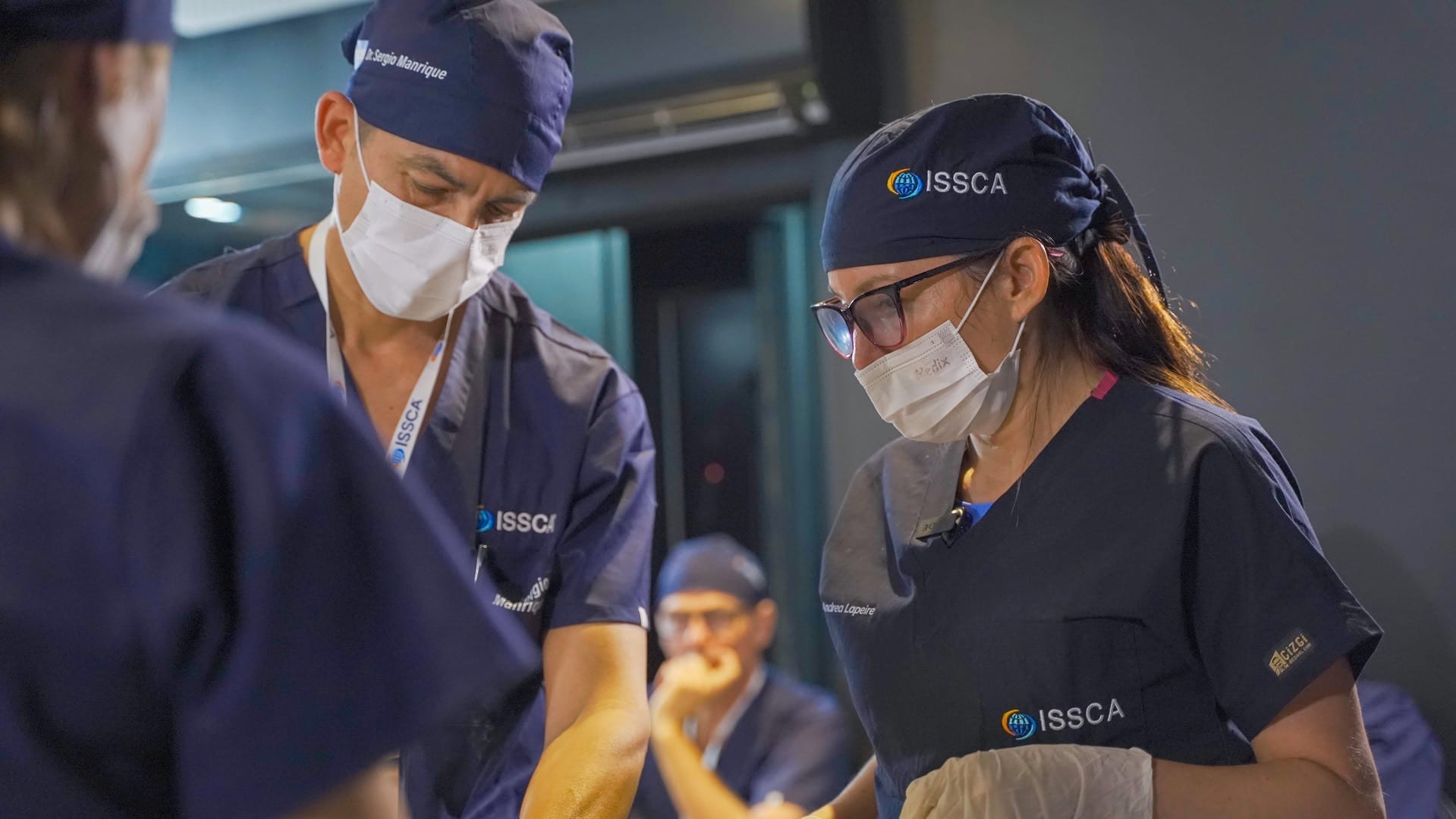
ISSCA approaches aesthetic anti‑aging as an extension of regenerative medicine. Education emphasizes biology over marketing and long‑term tissue health over superficial correction.
Physicians trained through ISSCA learn to:
- Understand peptide mechanisms of action
- Interpret scientific evidence accurately
- Integrate peptides into holistic regenerative protocols
- Prioritize patient safety and ethical practice
This framework ensures that aesthetic outcomes are aligned with scientific rigor and regenerative principles.
Frequently Asked Questions (FAQ)
Are peptides commonly used in aesthetic anti‑aging medicine?
Yes. Peptides are increasingly integrated into regenerative aesthetic strategies because they influence collagen remodeling, inflammation control, and tissue repair.
Do peptides replace aesthetic procedures?
No. Peptides are supportive tools that complement procedural and lifestyle‑based interventions.
Is peptide‑based anti‑aging evidence‑based?
Some peptides have human clinical evidence, while others are supported by preclinical data. Responsible use requires transparency about evidence level.
Why does ISSCA emphasize regeneration instead of cosmetic correction?
Because durable aesthetic outcomes depend on tissue health, not temporary surface changes.
Conclusion
Peptides support aesthetic anti‑aging by addressing the core biology of skin aging: collagen degradation, chronic inflammation, impaired microcirculation, and disrupted cellular communication. Their value lies not in instant correction, but in guiding tissue toward healthier function over time.
As aesthetic medicine continues to converge with regenerative science, peptides represent a bridge between appearance and physiology. Within an evidence‑aware framework, they elevate anti‑aging from cosmetic intervention to biological optimization.
At ISSCA, this regenerative perspective defines the future of aesthetic medicine.