











Professional Collaboration
Bring together professionals from science, medical, and industry sectors as members for productive collaborations around stem cell research in all possible fields.




Go beyond theory with the most advanced peptide education available online. Learn how leading clinicians apply peptides in regenerative, metabolic, and longevity care. Comprehensive. Practical. Globally recognized by ISSCA.
"We empower physicians worldwide to bring regenerative medicine safely to the point of care—turning the future of medicine into a reality for patients today."
"Our mission is to democratize advanced cellular therapies by training doctors with scientific rigor, practical expertise, and a commitment to safe, ethical clinical practice."
"By expanding access to education, research, and collaboration, we help clinicians deliver evidence-based regenerative treatments that alleviate suffering and transform lives."
"We equip physicians with the knowledge, protocols, and confidence to practice regenerative medicine responsibly—building the foundation for tomorrow's standard of care."
"Through global training, fellowship, and scientific validation, we lower barriers to adoption and make cutting-edge regenerative therapies accessible to more patients than ever before."
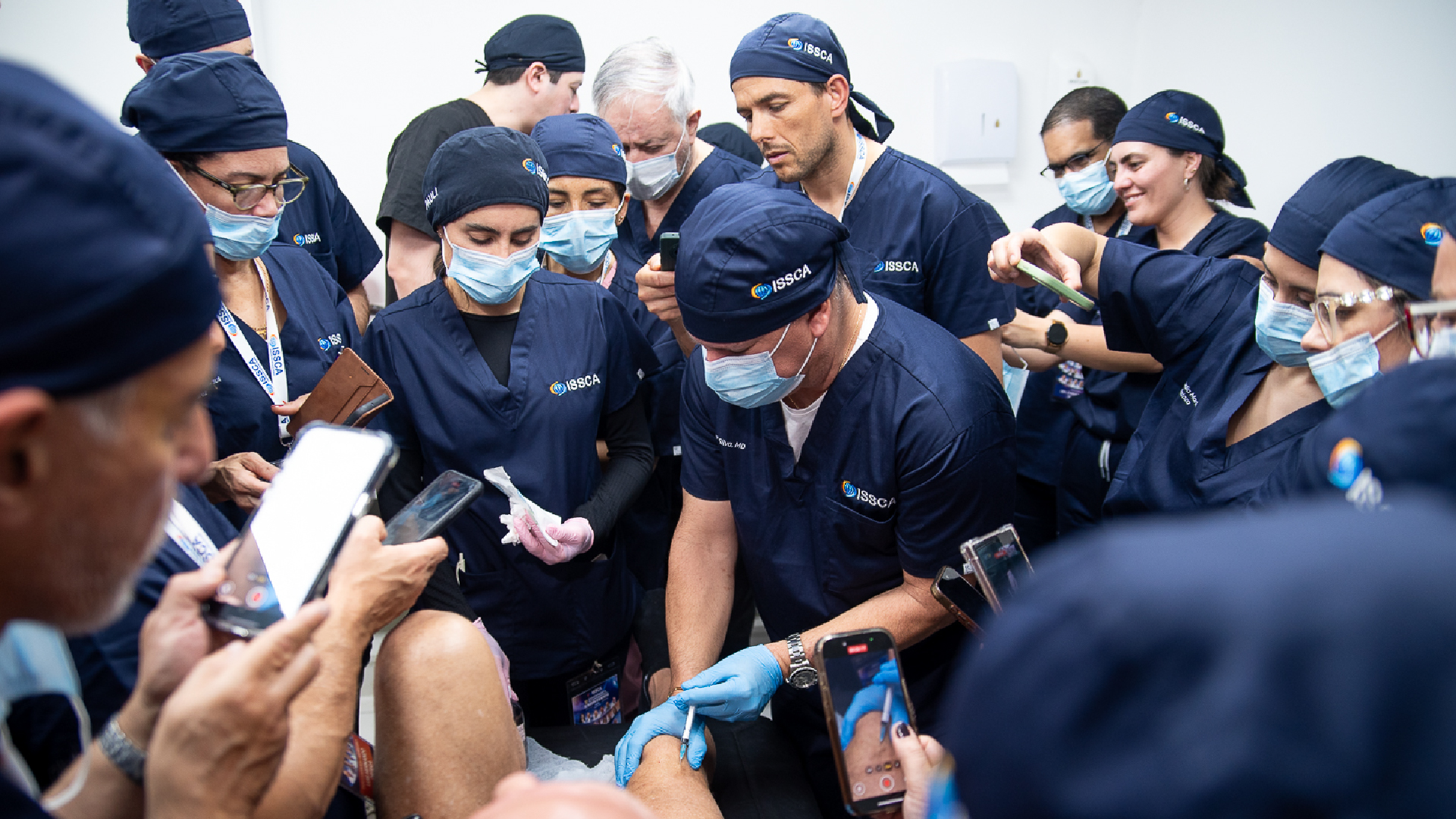
Of certified doctors report increased patient demand.
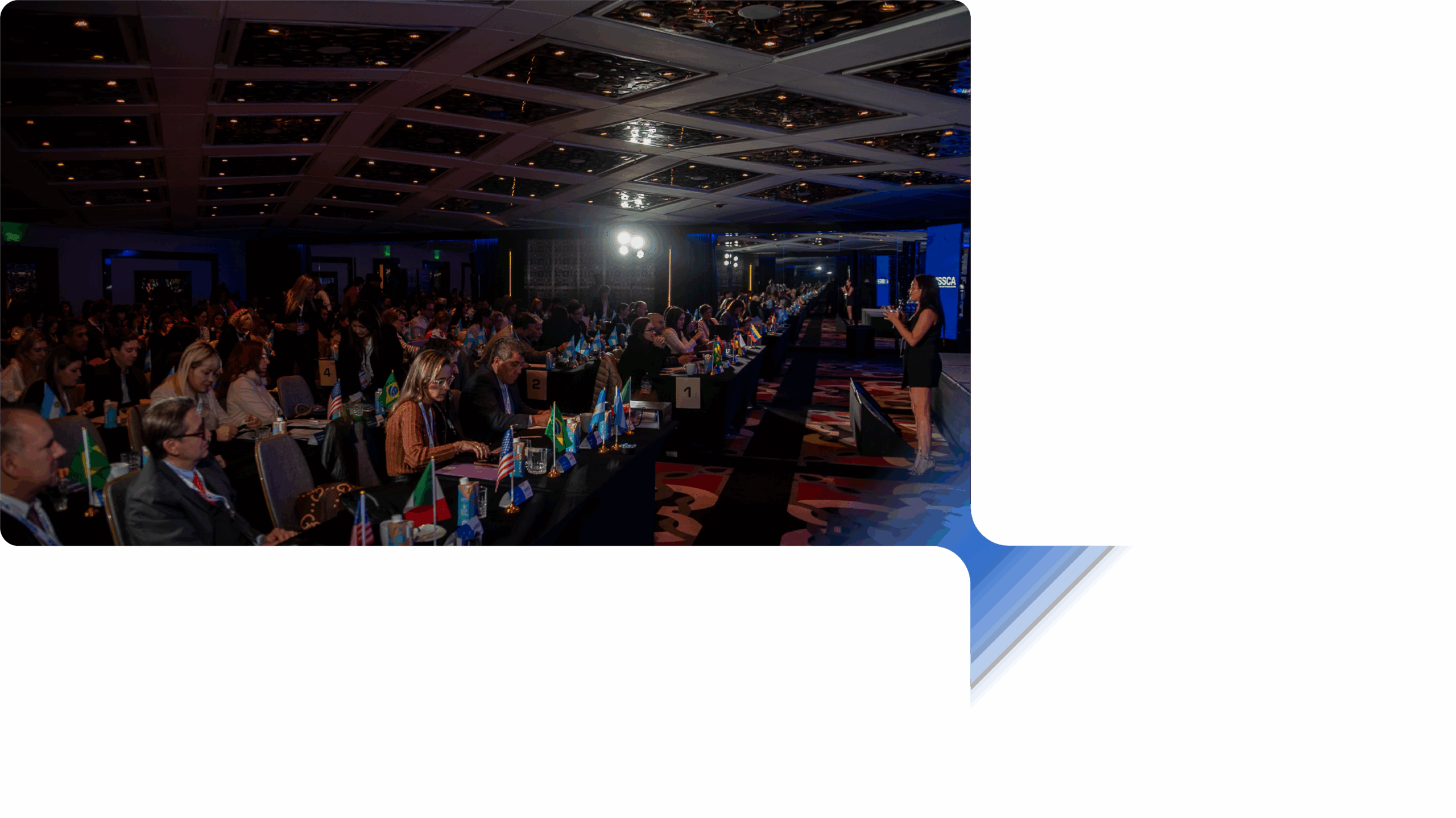
Annual events across +10 countries.
Bring together professionals from science, medical, and industry sectors as members for productive collaborations around stem cell research in all possible fields.
Create a platform where physicians and members can actively collaborate, discuss, comment, and share information that may be directly translated into therapeutic applications.
An initiative dedicated to making new stem cell therapies readily available to benefit the health and well-being of a broad range of patients.

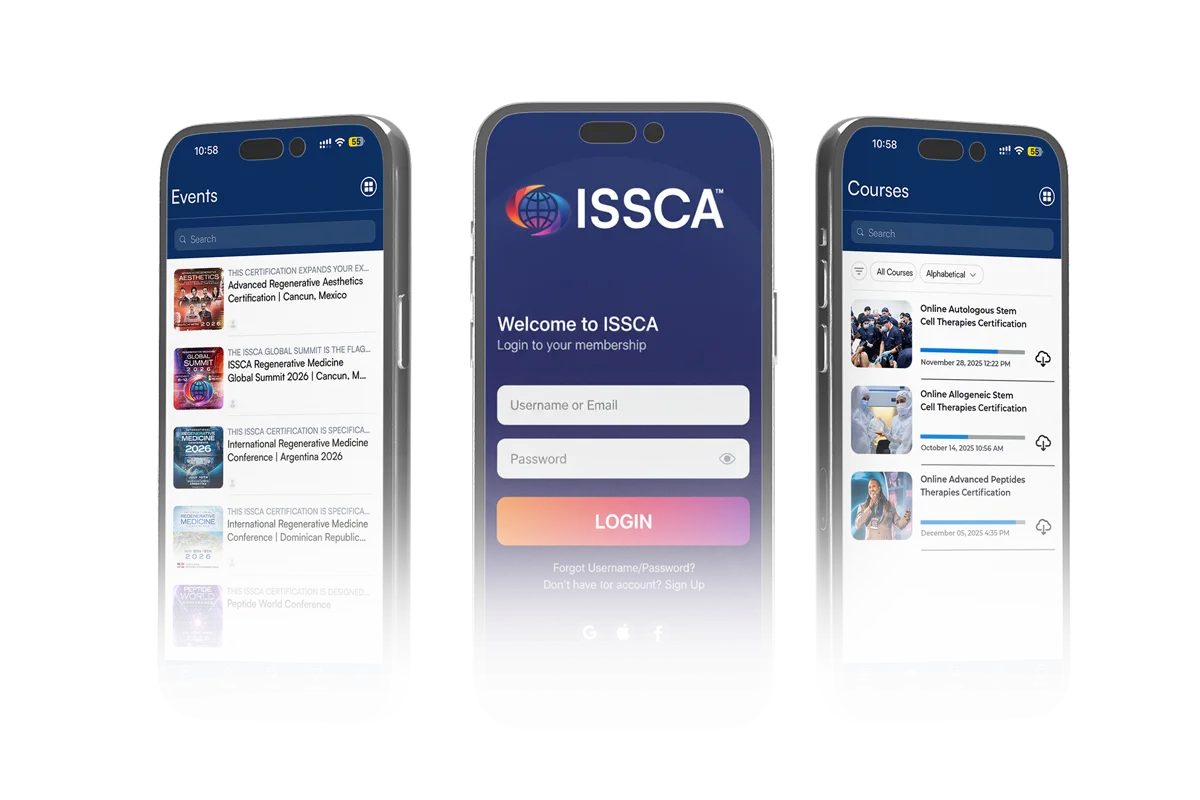
From live webinars and on-demand content to conferences, certifications, and physician forums — the ISSCA App keeps you connected to everything that matters in your professional journey.


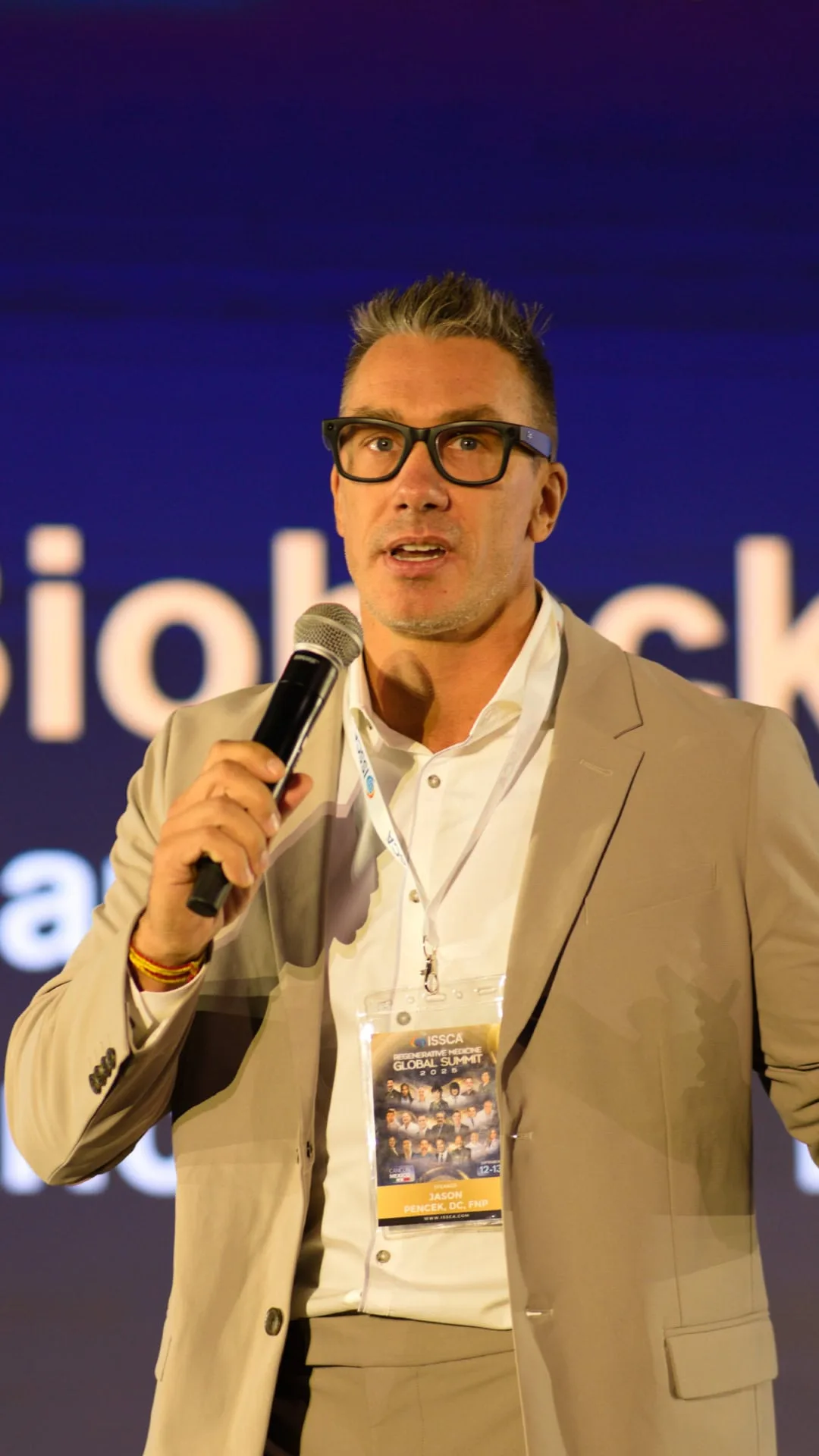
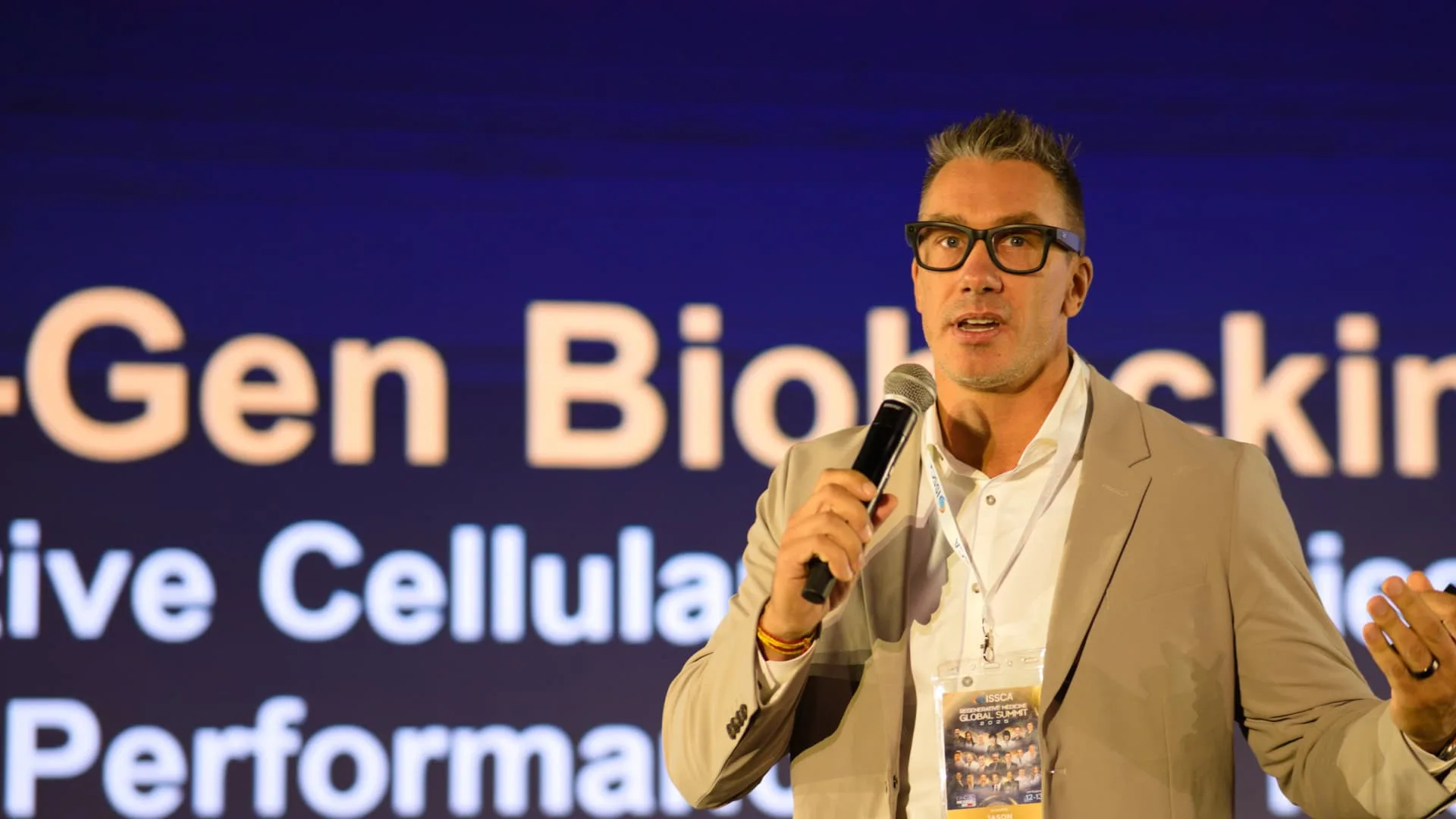
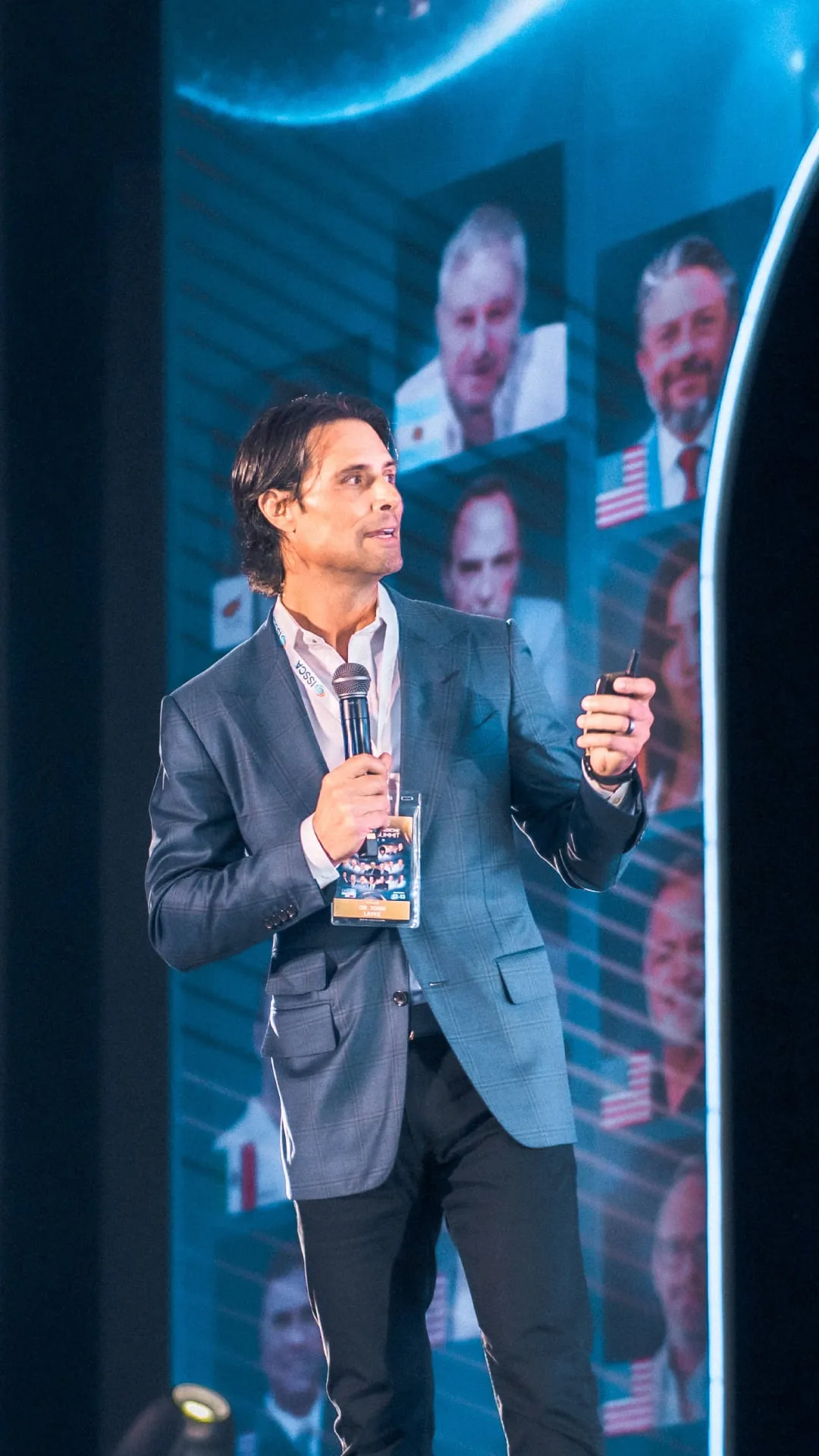
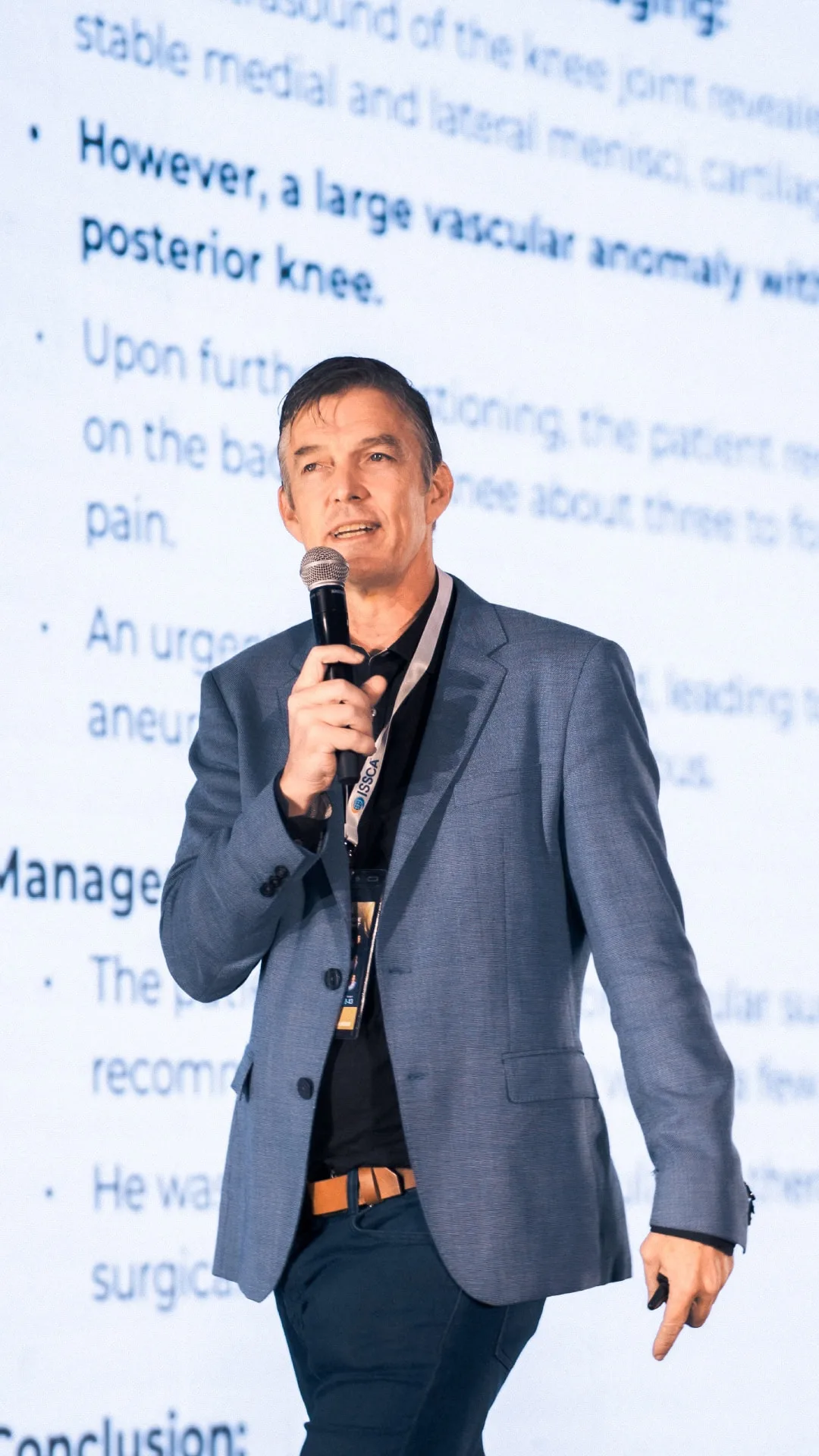
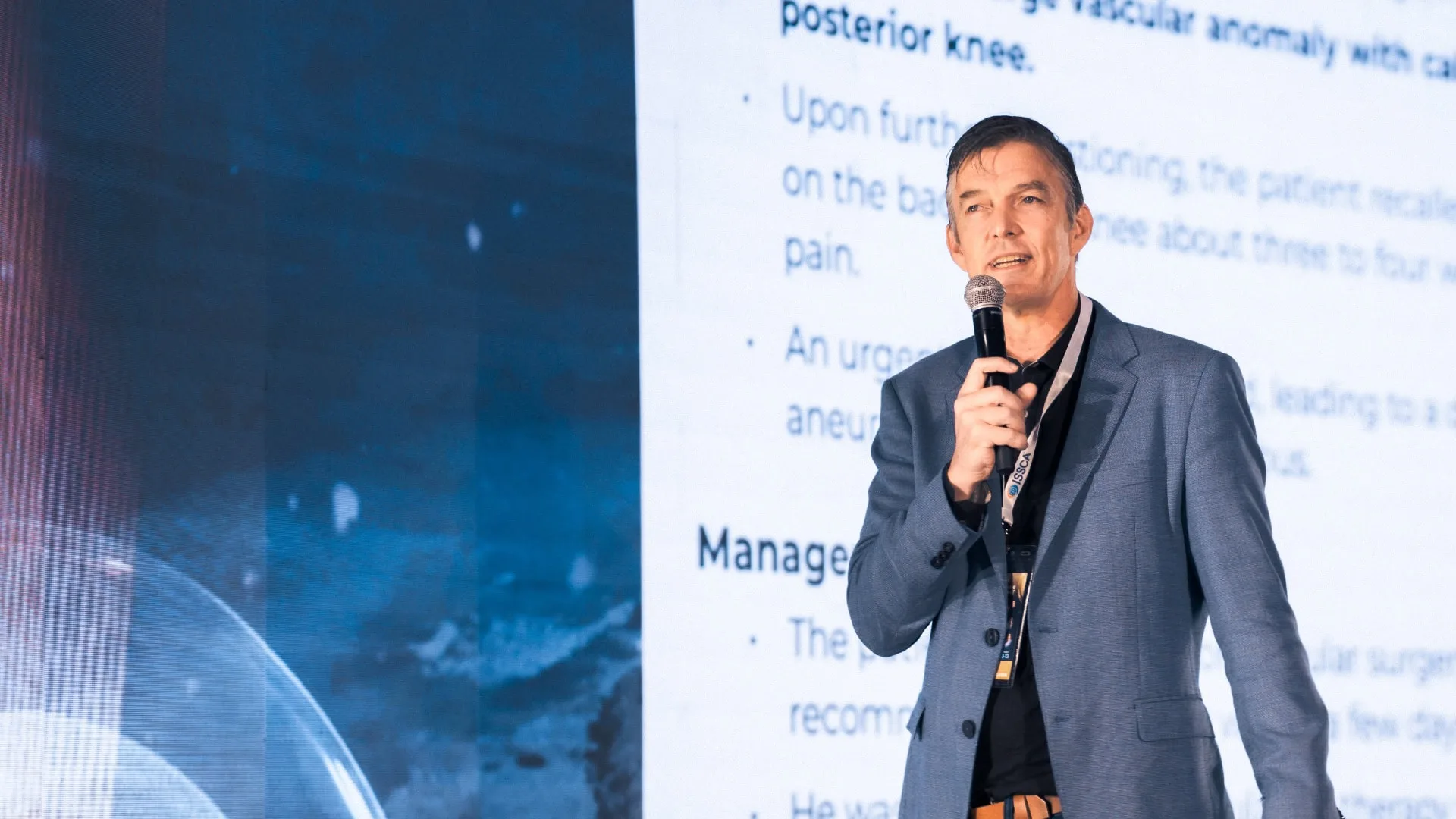
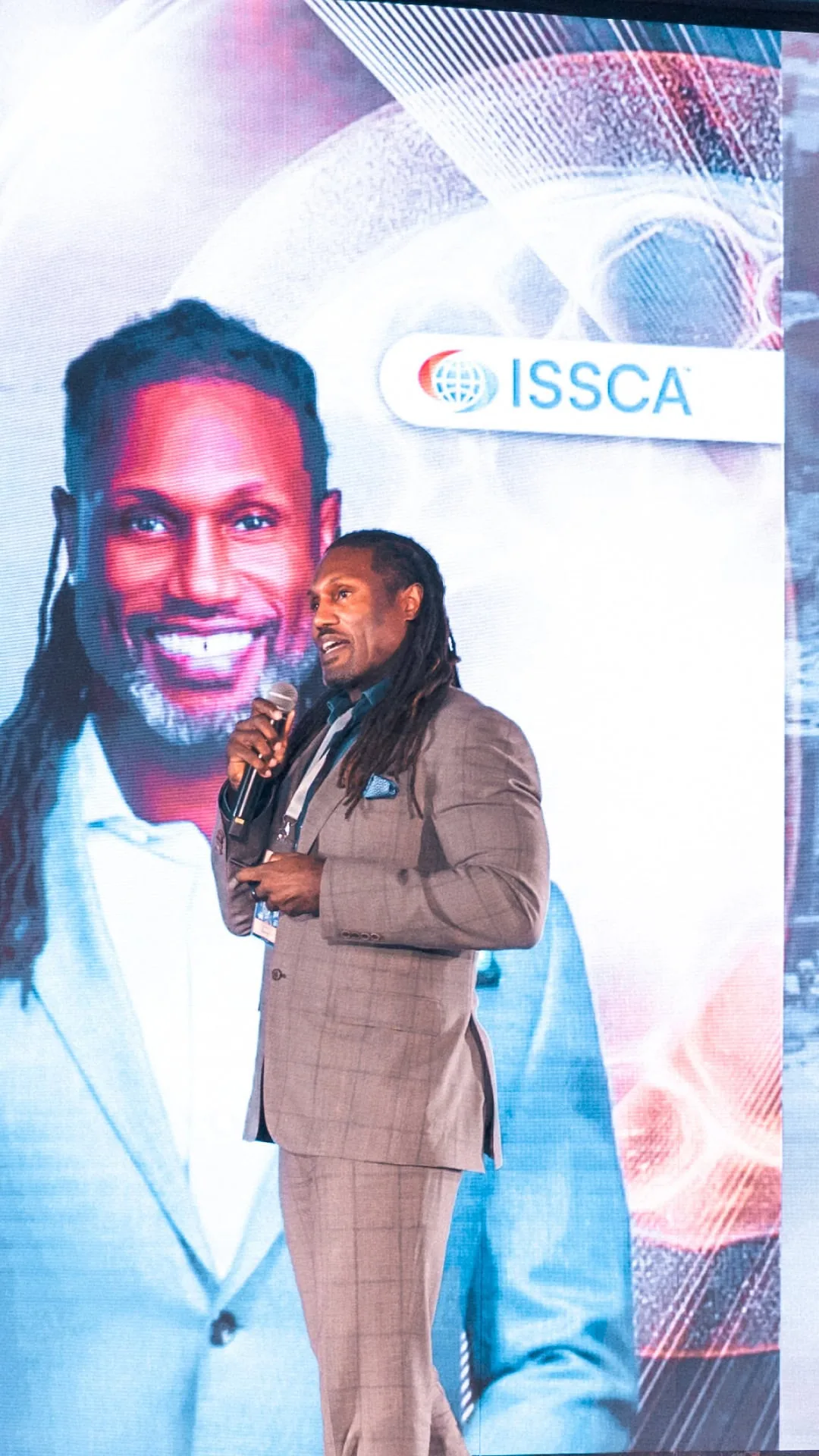
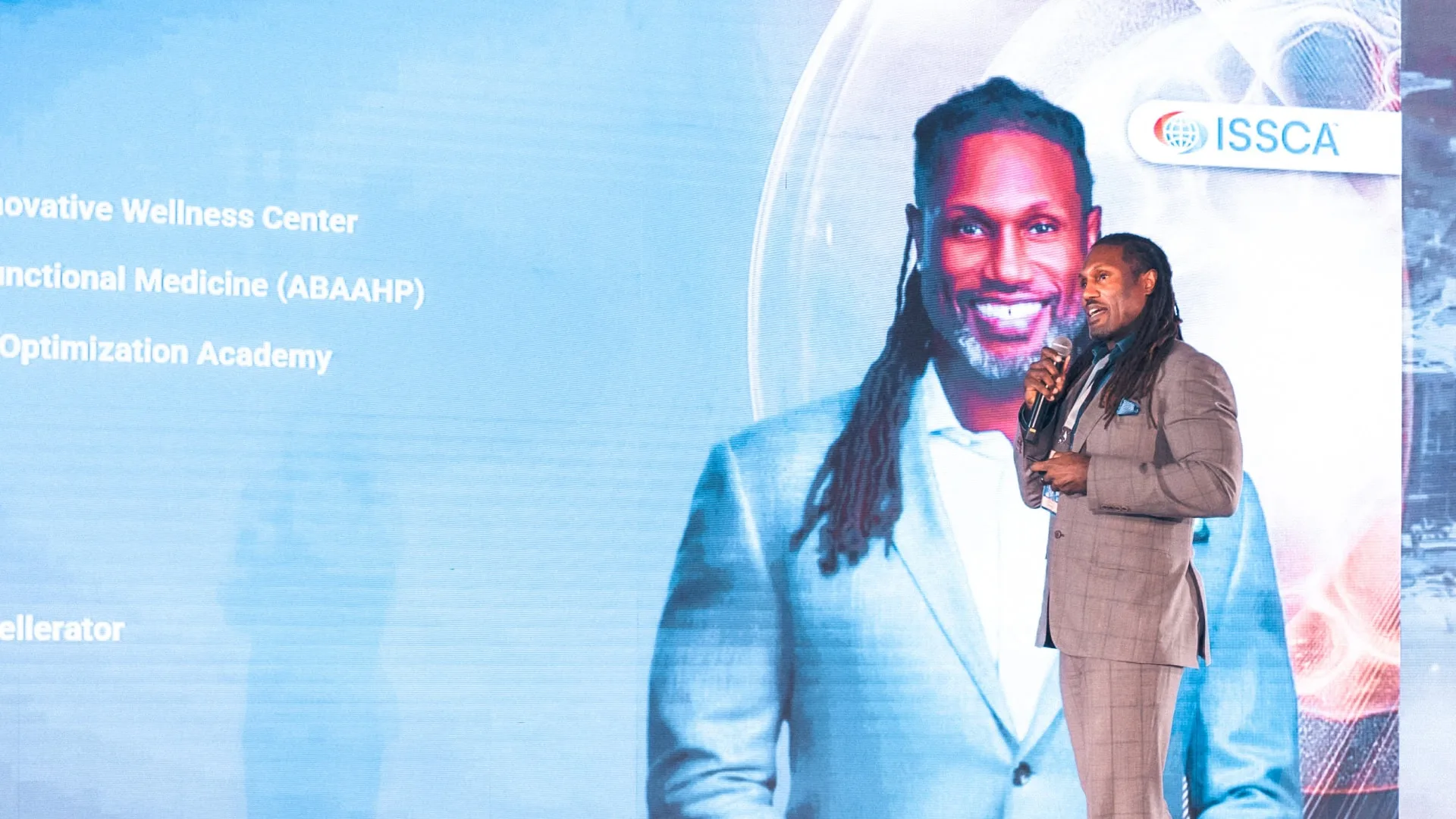
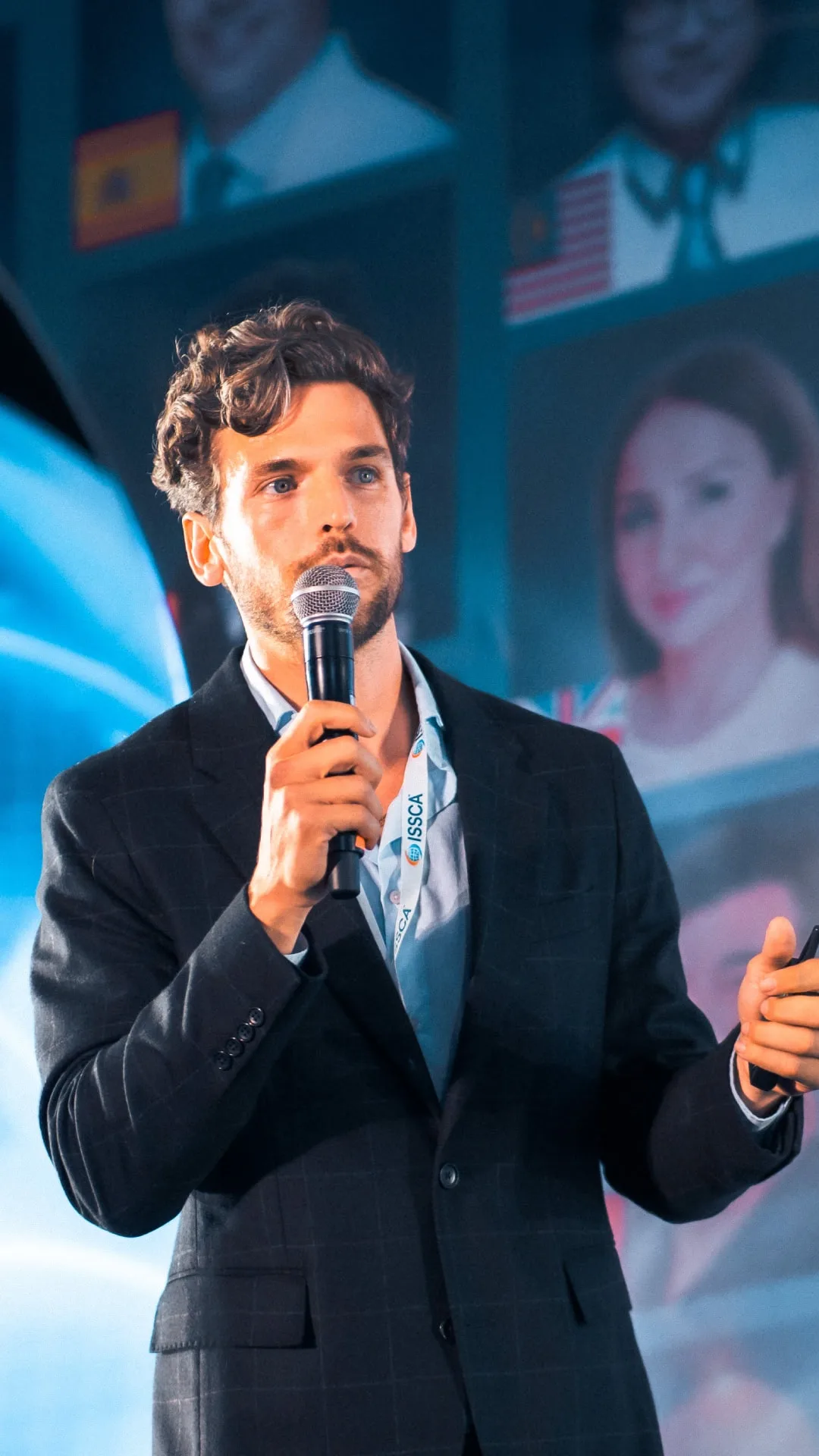
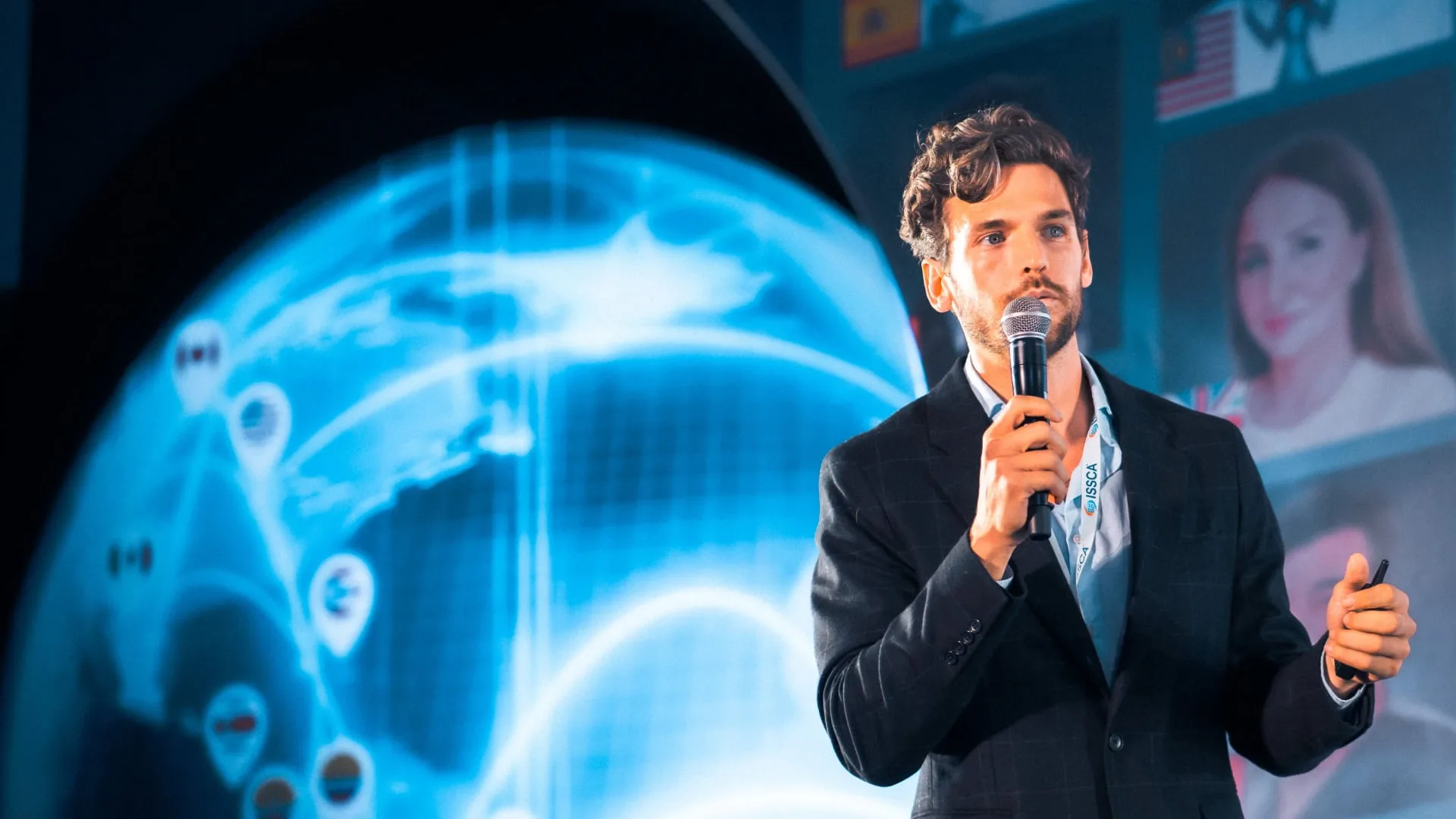
We prioritize featuring local talent
in every country
we visit.
Explore cutting-edge advancements in regenerative medicine through real clinical cases and evidence-based protocols. Discover the latest innovations in stem cells, exosomes, peptides, NK cells, PRP, and emerging therapies. Stay ahead with new technologies, diagnostic tools, and patient outcome strategies. Submit your abstract today — our Scientific Committee will carefully review and provide feedback.
Submit my abstractAuthentic stories from physicians expanding their regenerative medicine expertise.
Four Editions. One Continuous Learning Framework.
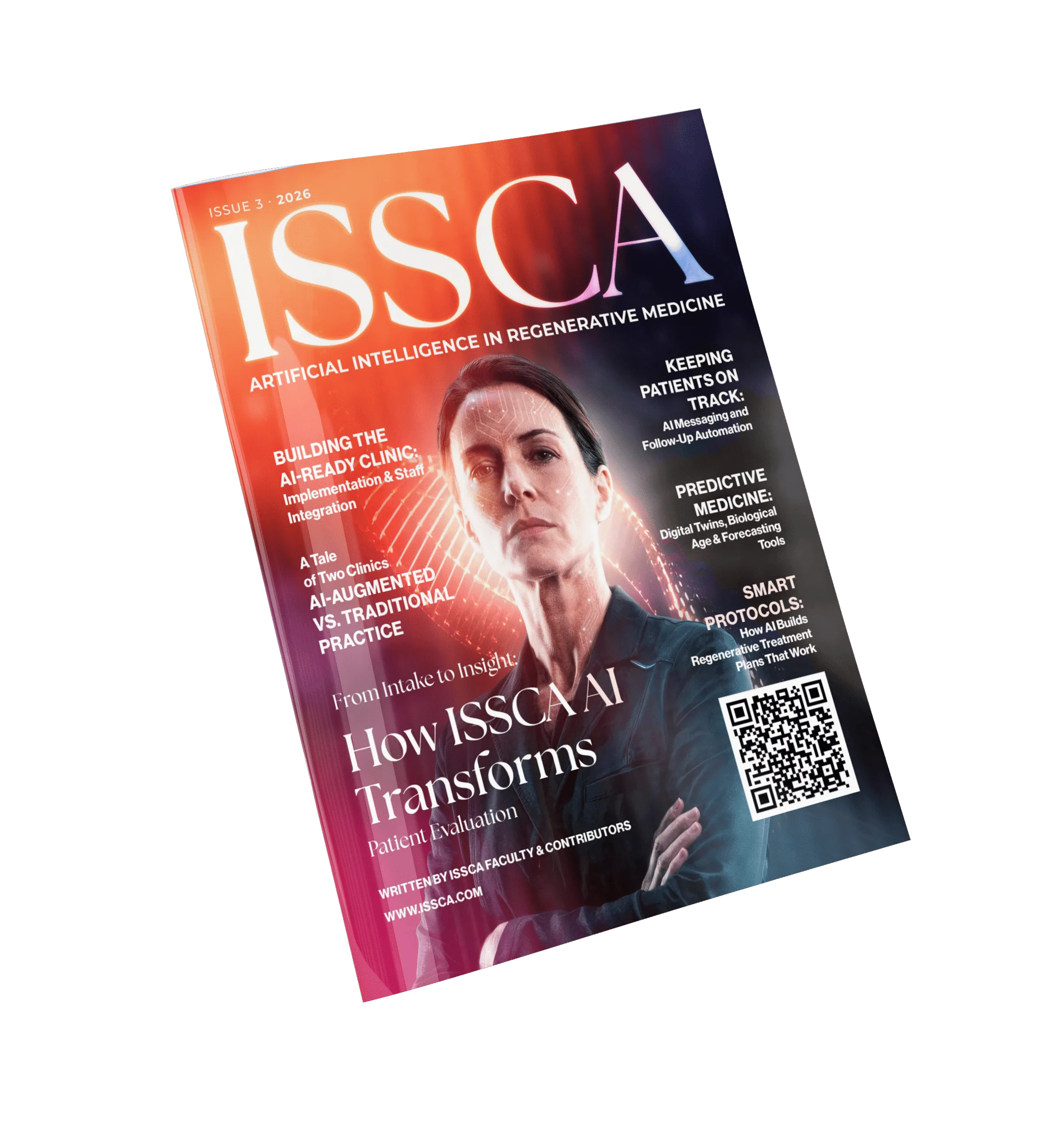
(Updated 2026 Edition)
This updated cornerstone edition explores how AI is already reshaping regenerative practice — not as a replacement for physicians, but as clinical leverage.
Inside this edition:
Who it's for:
Physicians who want to practice better medicine with less cognitive overload, while maintaining full clinical control.
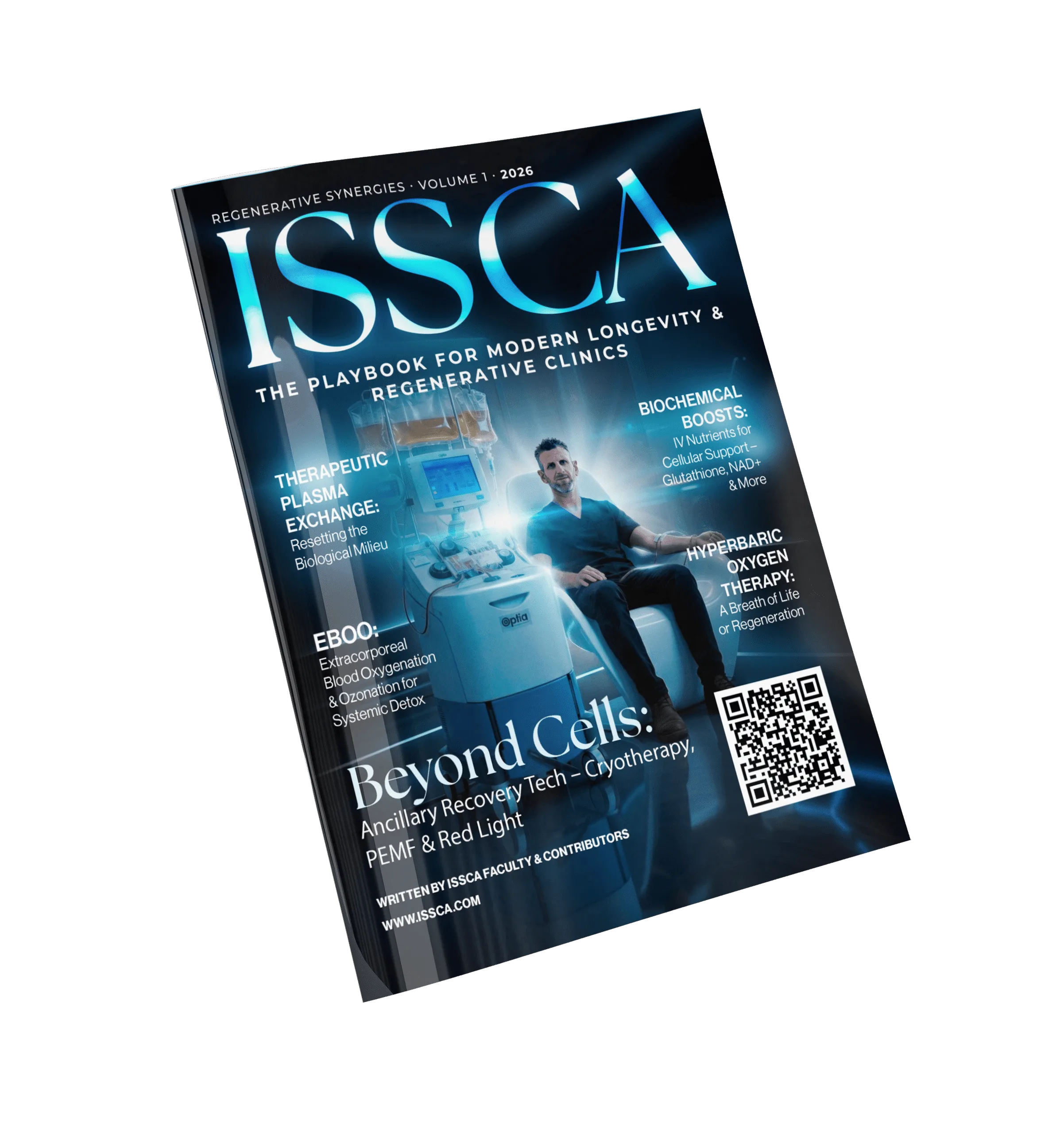
Beyond Cells: Designing Protocols That Work
Stem cells and exosomes don't fail. Incomplete protocols do.
This edition focuses on terrain preparation, recovery optimization, and system-level integration — the missing layer in many regenerative practices.
Covered topics include:
Core idea:
Regenerative medicine is not a procedure — it's an architecture.
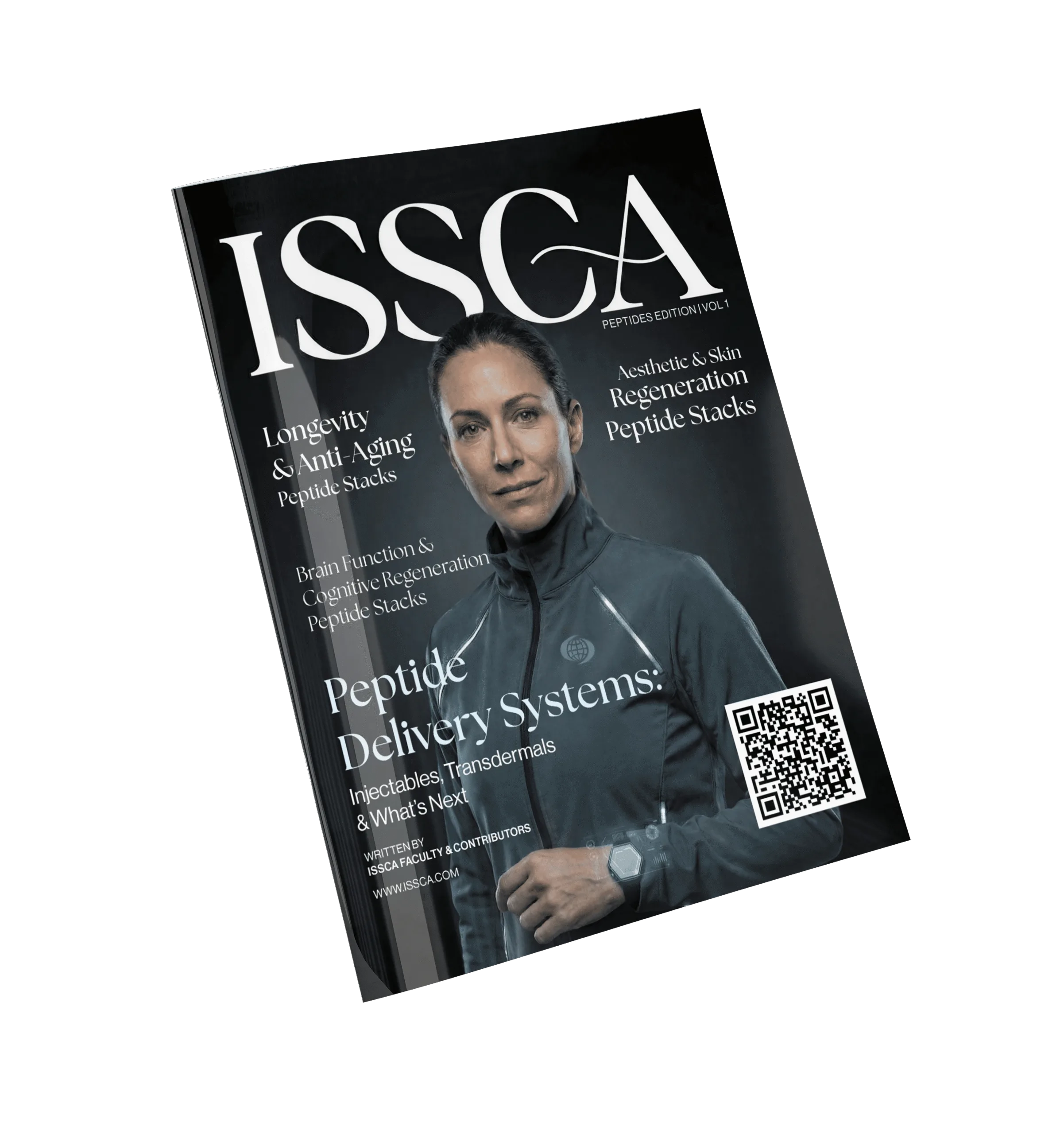
Clinical Stacks, Delivery Systems & Real-World Application
Peptides are no longer fringe — but they are often misused.
This edition brings peptide therapy back into the hands of trained physicians, focusing on clinical logic, safety, and protocol design.
Inside:
Positioning:
From underground experimentation to structured, physician-led peptide medicine.
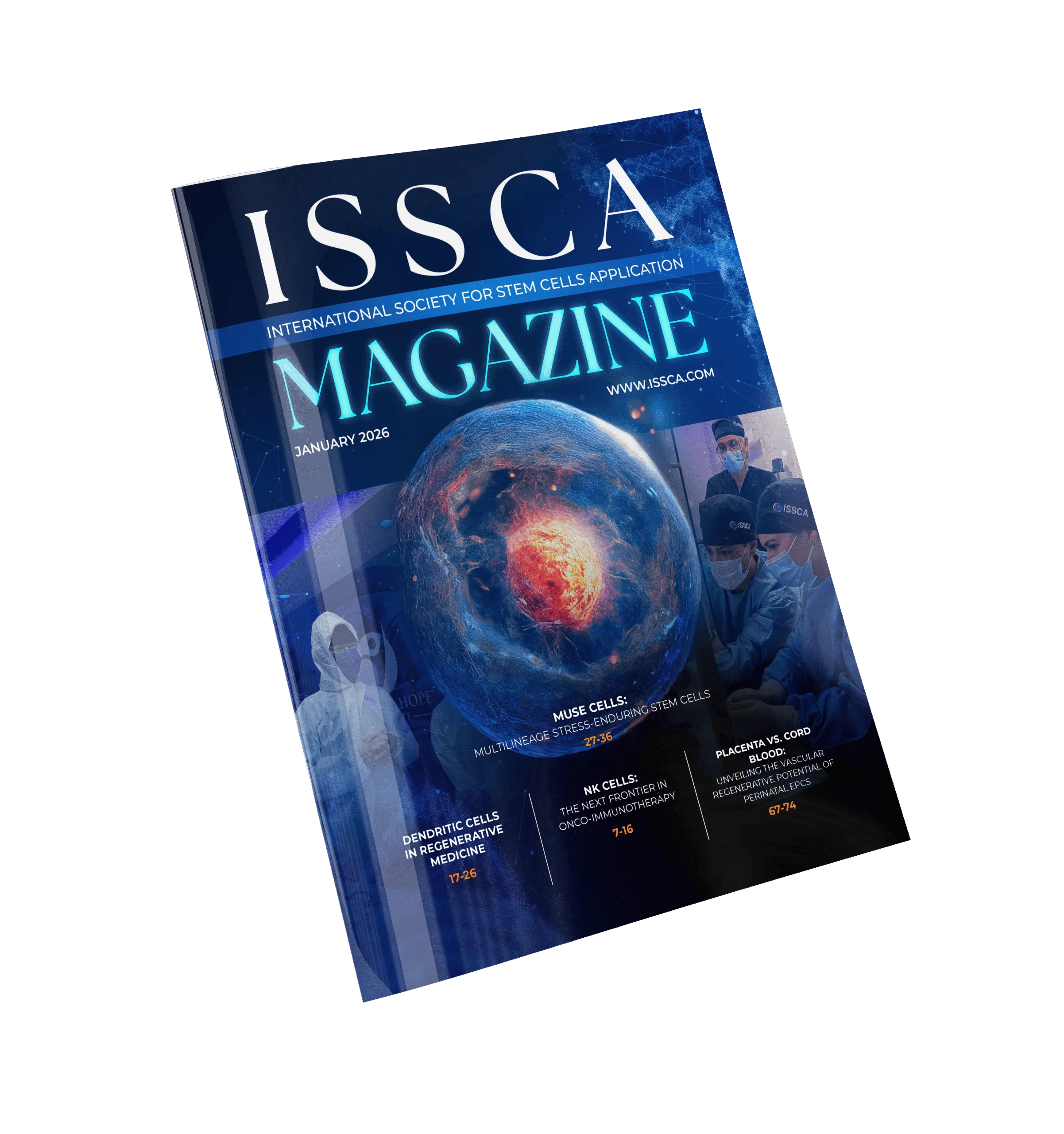
The Next Frontier of Regenerative Medicine
This edition explores the most advanced and emerging cellular strategies shaping the future of regenerative and immune medicine.
Topics include:
Focus:
Understanding what's coming next, and how it fits responsibly into clinical practice.

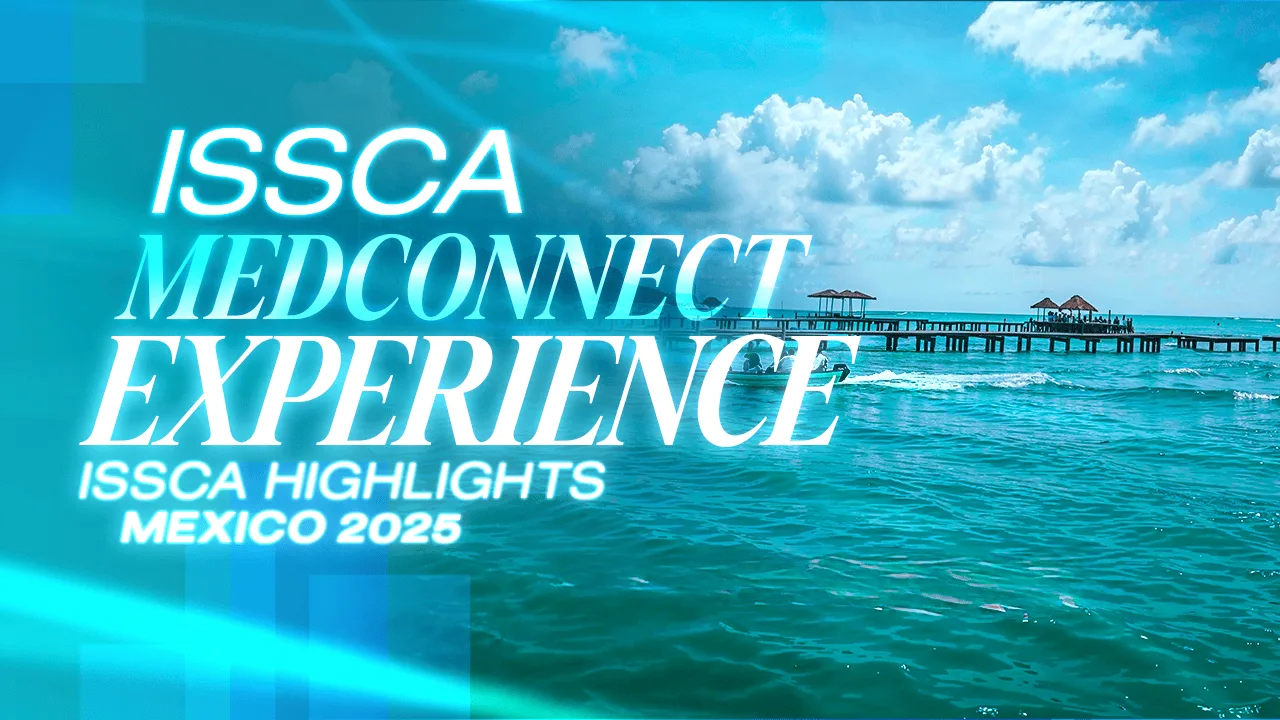
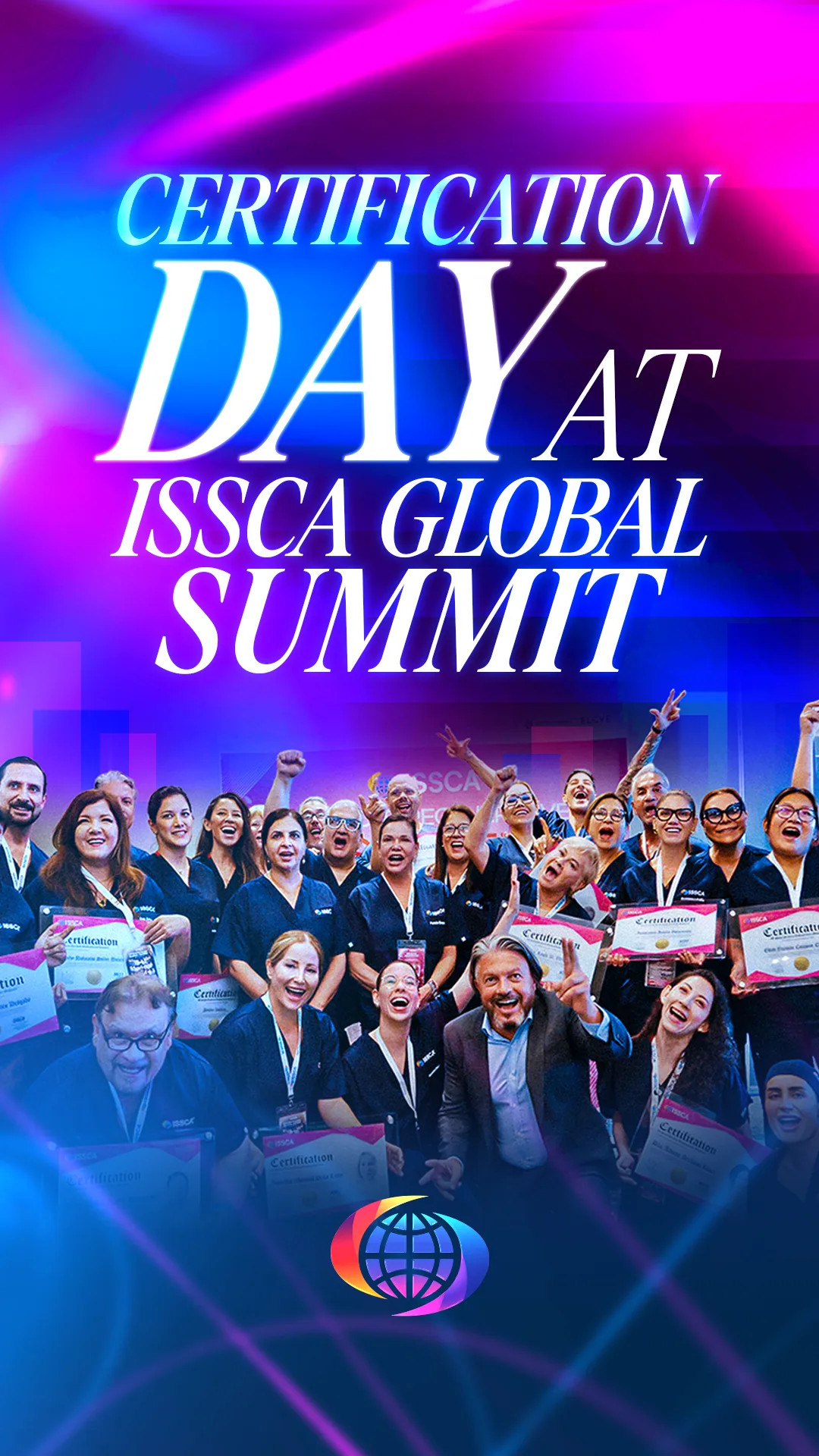
MedConnect is the heartbeat of every ISSCA event — the moment when physicians step out of the classroom and into unforgettable nights. From gala dinners and elegant receptions to high-energy parties that feel like a show, MedConnect turns our congresses and trainings into experiences you'll never forget.
Join Our Network